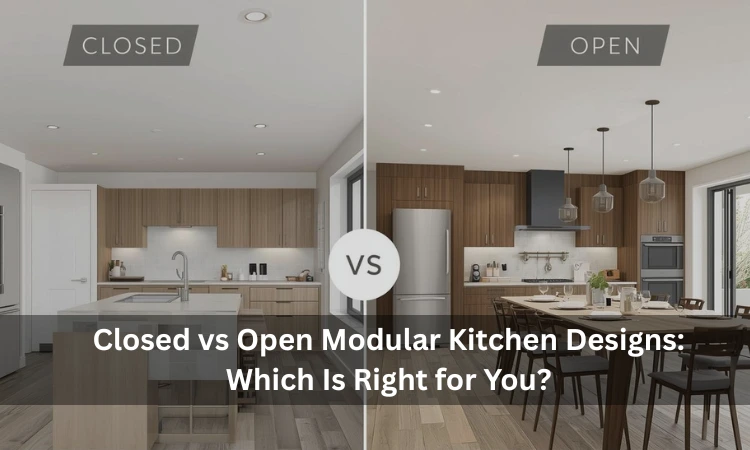
For most Indian families, the kitchen is more than a cooking corner; it is where chai conversations, quick breakfasts and weekend feasts begin. As homes have become smaller and more stylish, the kitchen has moved from a hidden back room to the heart of the home. In this shift, modular kitchen designs have become the preferred choice because they are really neat, practical and easy to customise.
When homeowners start planning a new kitchen, one big question always comes up: should it be a closed kitchen or Open Modular Kitchen Designs that connect to the living or dining area? The right answer depends on factors like the size of your home, your Indian cooking habits and how social your family lifestyle is. Both options come with clear pros, cons and ideal use cases, and this guide will walk you through them so you can make a confident long term decision.
What Is a Modular Kitchen?
A modular kitchen is a factory made kitchen system made of separate units like base cabinets, wall cabinets, tall units and accessories that fit together neatly. Unlike traditional carpentry, most work is done in the factory, so installation at home is cleaner and faster. You can customise storage, finishes and layouts to suit your cooking style. Because it saves space, looks stylish and is easy to maintain, modular kitchens are popular in Indian homes in cities like Mangalore and Bangalore.
What Is a Closed Modular Kitchen?
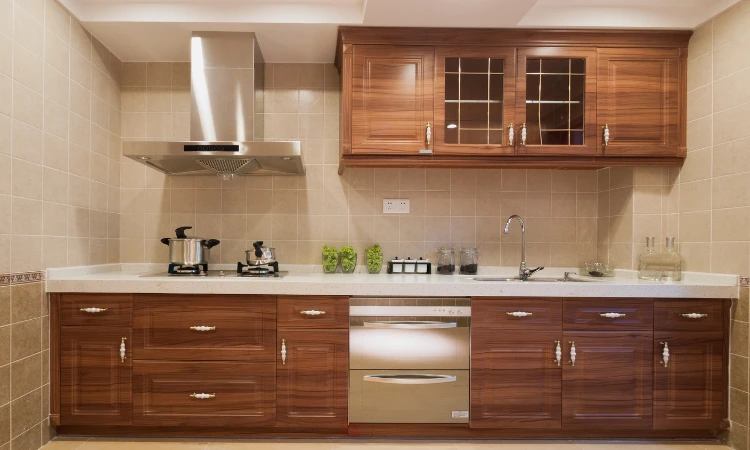
A closed modular kitchen is a fully defined cooking space kept separate from the living and dining areas with walls and a proper door. It works like a private work zone where you can cook without disturbing the rest of the house. This type of layout offers better privacy and suits independent houses and larger apartments, especially traditional Indian families. Closed modular kitchens can be planned in L-shaped, U-shaped, or parallel layouts.
Advantages of Closed Modular Kitchens
A well-planned closed modular kitchen gives Indian families a lot of practical benefits. Because the space is enclosed, smell, smoke and oil splatter from tadka, deep frying or fish dishes stay mostly inside the kitchen instead of spreading to the sofa or curtains. With a solid door, you also get more privacy, so the cook can focus without feeling watched while guests relax in the living room. It becomes easier to hide unwashed vessels, grocery bags or daily mess when someone arrives suddenly.
Closed layouts are also kinder to elderly parents or in laws who may prefer a quieter, traditional setup instead of many open modular kitchen designs. Noise from the chimney, mixer or pressure cooker is better controlled, which helps if children are studying or someone is working from home. For homes that do heavy daily cooking, a closed modular kitchen designed by expert modular kitchen designers can feel like a safe, efficient workspace that stays organised through the day.
Disadvantages of Closed Modular Kitchens
Despite the comfort they offer, closed modular kitchens also come with drawbacks. Because the room is separated by walls, the person cooking often feels cut off from conversations in the living or dining area. For young couples or families who like open modular kitchen designs where everyone can see and talk to each other, this can feel old fashioned. If the room is small and does not have a big window, a closed kitchen can feel dark, hot and cramped, especially in apartments.
Closed kitchens also need careful planning for ventilation and lighting. You must invest in a powerful chimney, extra exhaust and ceiling lights, which can push the budget higher when you compare modular kitchen designs with price. Cleaning tiles, corners and overhead cabinets takes extra effort because oil and steam stay trapped inside. For compact 1BHK or 2BHK homes, using so many walls for the kitchen can reduce the sense of openness in the rest of the house.
What Is an Open Modular Kitchen?
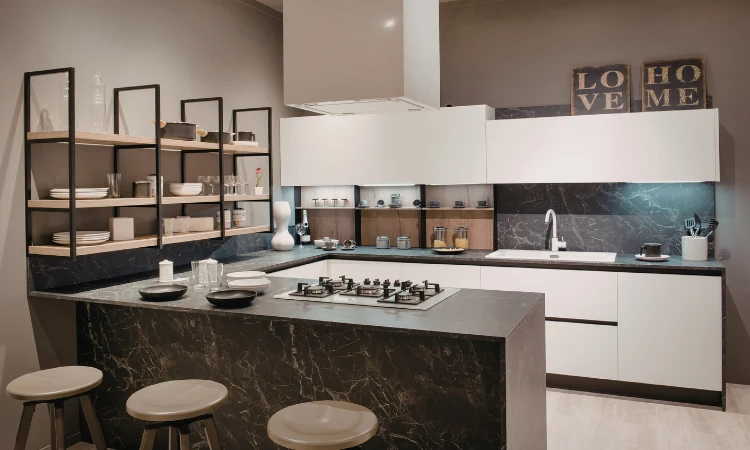
An open modular kitchen is a modern, lifestyle-driven layout where the kitchen opens directly into the living or dining area without full height walls. It is very popular in apartments, studio homes and contemporary villas. Island and peninsula layouts, along with breakfast counters, false ceilings and layered lighting, visually separate zones while keeping the space bright and connected.
Advantages of Open Modular Kitchens
Open modular kitchen designs are a great choice for modern Indian homes where space, light and togetherness matter. With no solid wall between the kitchen and living or dining room, the entire home feels larger, brighter and more welcoming. This is especially useful in smaller apartments in cities like Bangalore and Mangalore, where every square foot counts.
Because the person cooking can see and talk to family or guests, meal prep becomes more social and less lonely. Parents can keep an eye on children doing homework or playing nearby while finishing daily cooking. Open layouts also make hosting friends easier, since snacks, drinks and conversations flow naturally across the counter.
Design wise, open modular kitchens give you lots of modular kitchen design ideas – island counters, breakfast counters, bar stools and display units. When planned by experienced modular kitchen designers or the best interior designer in Mangalore or modular kitchen designers in Bangalore, the whole space looks premium, coordinated and Instagram friendly.
Disadvantages of Open Modular Kitchens
Open modular kitchen designs look beautiful, but they are not perfect for every Indian home. Because the cooking area is open, smells from tadka, deep frying or fish can easily travel to the sofa, curtains and bedrooms if the chimney is not powerful enough. Any noise from the mixer, grinder or dishwasher is also heard clearly in the living room, which can disturb TV time, work calls or a sleeping baby.
An open kitchen also needs strict discipline in cleanliness. Greasy countertops, scattered vessels or overflowing dustbins are visible from the hall, so you must tidy up regularly. There is less privacy for the person cooking, which some elders or home cooks may not enjoy. For very heavy Indian cooking, open kitchens need expert planning for chimney capacity, ventilation and finishes, otherwise surfaces can get sticky over time and the home may feel stuffy.
Closed vs Open Modular Kitchen Design: Quick Comparison
| Feature | Closed Kitchen | Open Kitchen |
|---|---|---|
| Privacy | High | Low |
| Smell Control | Excellent | Moderate |
| Space Feeling | Compact | Spacious |
| Noise Control | Better | Limited |
| Social Interaction | Limited | High |
| Maintenance | Easier to hide mess | Requires disciplin |
Which Modular Kitchen Design Is Best for Indian Homes?
There is no single right answer, because the best layout depends on how your family actually lives. In compact 1BHK or 2BHK apartments, an open modular kitchen can make the hall look larger, improve light and give working couples more interaction time with family. For spacious 3BHKs and independent houses that do heavy tadka, non veg and festival cooking, a closed or hybrid kitchen usually works better.
Joint families with elders often feel comfortable with a quieter, closed cooking space, while young nuclear families and first time homebuyers in cities like Bangalore and Mangalore prefer open modular kitchen designs with a breakfast counter. If you plan to resell the property in future, a well designed modular kitchen by experienced modular kitchen designers can add strong value, whether it is open, closed or a smart combination of both.
Hybrid Kitchens: The Best of Both Worlds
Hybrid modular kitchens offer a middle path for Indian homes that want openness without losing privacy. Instead of keeping the kitchen fully closed or fully exposed, designers use sliding glass partitions, frosted glass doors or half height walls to separate the space when needed. You can keep it open while serving or talking to family, and close it during heavy tadka or festival cooking.
Semi open layouts with breakfast counters, pocket doors and planned storage give you the openness of open modular kitchen designs along with the control of a closed kitchen. When designed by skilled modular kitchen designers, hybrid kitchens balance style, comfort and practicality in both apartments and independent houses.
Cost Difference Between Open and Closed Modular Kitchens
For most homes, the cost difference between open and closed modular kitchen designs is not very large by itself. A closed kitchen may need extra tiles, a stronger chimney and better ventilation, while an open layout may need island counters, breakfast counters or glass partitions. Costs mainly depend on materials, hardware and accessories – not only on the layout type. Premium shutters, soft close drawers, branded fittings and tall units will increase the budget in both styles. When comparing modular kitchen designs with price, it is better to fix your approximate budget first and then choose finishes and layout with help from a professional designer.
How Suntew Helps You Choose the Right Modular Kitchen
At Suntew, modular kitchen design starts with understanding your home, cooking habits and budget – not just showing standard catalogues. Our team of expert modular kitchen designers visits your space, studies light, ventilation and movement, then suggests open, closed or hybrid layouts that truly match your lifestyle. From compact apartments in Bangalore to spacious villas in Mangalore, we plan smart storage, durable finishes and practical accessories that are easy to maintain. With factory made quality, transparent modular kitchen designs in Mangalore with price options and end to end execution, Suntew makes your kitchen upgrade smooth and stress free. Talk to our specialists before finalising any plan.
Explore modular kitchen solutions at https://suntew.com/
Conclusion
There is no fixed rule that says open modular kitchen designs are always better than closed ones, or the other way around. The right choice depends on your home size, cooking style and how you like to live every day. If you love hosting people, want a bright, connected hall and cook light to moderate meals, an open or hybrid kitchen may suit you best. If your family prefers heavy Indian cooking, more privacy and less noise in the living room, a well ventilated closed modular kitchen can be a smart option. Take time to observe your routine, discuss with your family and get guidance from an experienced designer before you finalise the layout.
FAQs
1. Is an open kitchen good for Indian cooking?
Yes, if it is planned properly. For regular tadka and light to medium frying, an open modular kitchen with a high suction chimney, good tiles and easy to clean finishes works well. For very heavy non veg or daily deep frying, Suntew usually suggests a hybrid layout so smells are controlled.
2. Which is better for small apartments?
For compact 1BHK and 2BHK homes in cities like Bangalore and Mangalore, an open modular kitchen or semi open layout usually feels better. It makes the hall look bigger, improves light and gives more usable counter space compared to a tight closed room.
3. Can I convert a closed kitchen into open?
In many homes it is possible, but the wall cannot be removed blindly. At Suntew, our designers first check whether the wall is load bearing, where plumbing lines run and how electrical points are placed. Then we redesign the layout with safe civil changes, proper chimney planning and a neat connection to the living or dining area.
4. Are hybrid kitchens expensive?
Not always. Hybrid kitchens may need sliding glass, partitions or folding doors, but the overall cost still depends more on materials, hardware and accessories than the concept itself. With smart planning, Suntew can create a semi open design that fits your budget while still giving privacy during heavy cooking.
5. Open kitchen or closed kitchen which is better?
Neither is universally better. For social families, work from home routines and light to moderate cooking, open modular kitchen designs feel natural. For heavy Indian cooking, joint families or homes with elders, closed or hybrid layouts are often more comfortable. The best answer comes from matching the design to your lifestyle, which is exactly what Suntew focuses on.
6. Is open kitchen good as per Vastu?
Many Vastu consultants accept open kitchens as long as the basic directions are respected, like placing the stove in a suitable corner and keeping the kitchen in a recommended zone. When clients request it, Suntew coordinates kitchen layouts with Vastu guidance, balancing energy, practicality and modern design so the space feels positive and easy to use.