Introduction
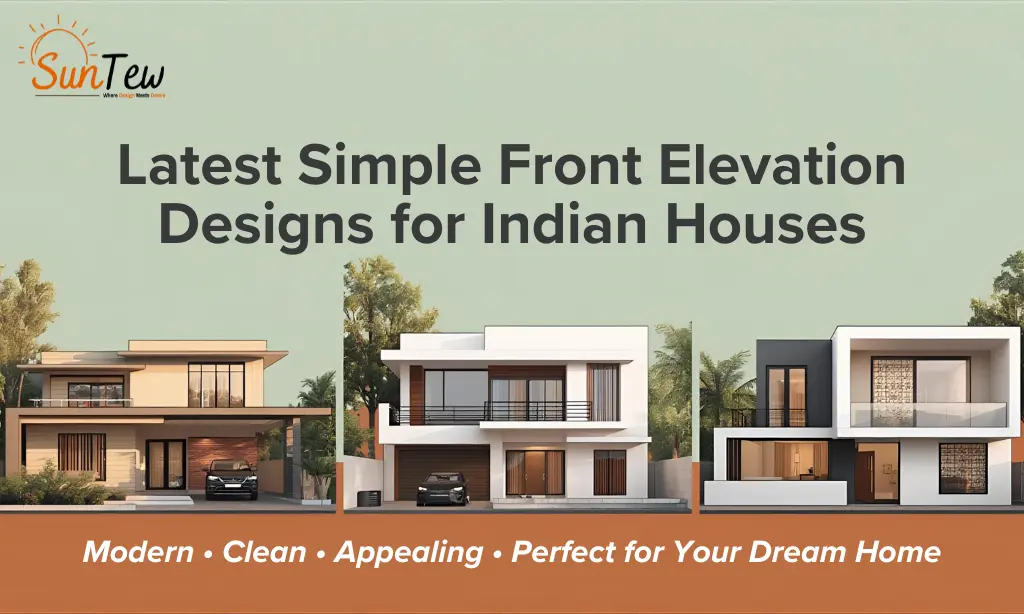
In Indian cities and growing towns, more families are searching for simple front elevation designs for small houses that look modern without going over budget. Compact 20×30, 30×40, or 30×50 plots are common, so every inch of the facade has to work smartly. Instead of heavy mouldings and too much colour, 2026 trends are moving towards clean lines, simple shapes, and natural materials that are easy to maintain.
Homeowners now want a front that feels stylish from the street yet matches their daily lifestyle and climate. Smart sunshades, small balconies, neat railings, and well-placed windows are becoming more important than complicated decorations. Even for ground-floor homes or a 2nd-floor house front design, simple elevation ideas can make a big difference to light, ventilation, and overall look. In this guide, we will explore the latest simple, budget-friendly front elevation ideas that suit Indian homes so you can plan a fresh, timeless facade for your small house.
Why Simple Front Elevation Designs Are Trending in 2026
In 2026, homeowners are realizing that a simple house front design is easier on both the eye and the pocket. Simple elevations mean fewer heavy projections, less unwanted extra concrete, and simpler fabrication, which directly reduces construction and maintenance costs. For small plots in Bengaluru, Mysuru, Mangaluru, and other Indian cities, this approach is practical because space is tight and local bylaws limit how much you can extend.
Clean, straight lines with well-placed windows also improve ventilation and natural light. This keeps homes cooler, reduces dependence on artificial lighting, and makes small rooms feel bigger. Simple elevations work beautifully for independent houses, duplex homes, and compact villas, as they are flexible enough to suit different floor plans.
Another reason for the trend is long-term maintenance. Plain walls with textured paint, limited cladding, and neat railings are easier to repaint and repair compared to very ornamental facades. As a result, the house continues to look fresh even after many years.
Latest Simple Front Elevation Designs for Small Houses (2026)
Modern Single-Floor Front Elevation Designs
For single-floor homes on small plots, modern elevation ideas focus on clean horizontal and vertical lines. A simple parapet, a straight canopy over the entrance, and a compact porch with two or three neat columns are enough to create a stylish look. Neutral colours like off-white, light grey and beige keep the house fresh and bright, especially in hot Indian climates. You can add one accent panel in a darker shade or texture paint to break the monotony. Vertical elements near the main door or window, such as grooves, wooden-look planks, or slim metal sections, make the facade appear taller and more balanced without adding heavy cost.
Simple Front Elevation with Balcony
If your plan allows, a small balcony on the front side instantly improves elevation. A straightforward slab with a glass railing or metal grill gives a modern look and also adds usable outdoor space. For compact houses, this balcony can be attached to the living room or bedroom, bringing in more light and cross ventilation. Keep the balcony design minimal – straight railings, simple flooring, and one feature wall in stone or textured paint. This way, you gain depth in the elevation without spending on heavy projections or complex moldings.
Budget-Friendly Front Elevation Designs
For strict budgets, focus on overall shape and basic finishes rather than expensive cladding. Cement-based textures, simple groove designs, and limited tile cladding around the entrance or balcony wall can give a premium feel at low cost. Warm white lights near the gate, steps, and balcony create an elegant night view without overdoing fixtures. By combining basic materials smartly and keeping lines simple, you can achieve a modern, neat front elevation suitable for small Indian houses.
2nd Floor House Front Design – Simple & Stylish Ideas
For growing families, adding a second floor is often easier than shifting to a new location. A 2nd floor house front design simple can still look very premium if the massing and balcony lines are handled well. Box-style elevation is trending in 2026 – where the first floor and second floor are shaped like clean rectangular blocks, slightly projected to create shadow lines. This gives a modern look without complex civil work.
Balcony extensions on the second floor can double as roof covers for the ground floor sit-out or car parking. Slim steel or glass railings, combined with one bold colour panel, make the facade stand out on a narrow street. If your staircase is visible from outside, you can use its wall as a design feature with vertical windows or texture paint. This keeps the 2nd-floor house front design simple, yet attractive and practical for rental and owner-occupied homes.
Best Color Combinations for a Simple House Front Design
Colour can completely change how a simple house front design looks from the street. In 2026, soft neutrals with one or two accent shades are working very well for small Indian homes. White and light grey remain timeless choices because they reflect heat, keep the exterior looking fresh, and pair well with almost any door, grill, or balcony colour.
For warmer regions, earthy tones like beige, sand, taupe, and light terracotta blend beautifully with the surroundings and are easier to maintain than very bright shades. You can highlight balcony edges, grill patterns, or a single feature wall with deeper colours like charcoal grey, coffee brown, olive green, or deep blue. This creates interest without making the elevation look too busy.
Try to repeat one accent colour on the main door, balcony railing, or gate so everything feels connected. Choosing exterior-grade, weather-resistant paint is important, especially for sun-facing walls, to reduce fading and repainting costs over time.
Materials Used in Simple Front Elevation Designs
For simple front elevations in Indian homes, the material palette should be practical, affordable, and easy to maintain. Plain cement plaster with good-quality exterior paint is still the most common and budget-friendly option. You can add interest using texture paints on selected walls, creating a stone or concrete effect without the full cost of cladding.
Limited stone cladding near the entrance, staircase wall, or balcony side works well when used in narrow vertical or horizontal bands instead of covering entire surfaces. This keeps the look premium but controlled on cost. Metal railings in mild steel or stainless steel suit modern designs, especially with straight lines and minimal patterns. Wooden-finished HPL sheets or treated wooden panels can be used for the main door frame, balcony ceiling, or a small feature panel to add warmth. Weather-resistant paints and anti-rust coatings are essential so the front elevation stays neat through sun and rain.
How Front Elevation Complements Interior Design
A good front elevation should hint at what people will feel once they step inside. If your exterior is clean and modern, but the interior is overcrowded, the house can feel disconnected. Simple exteriors usually work best with clean, practical interiors and balanced home decor ideas for the living room – light wall colours, comfortable seating, minimal clutter, and a few strong decor pieces instead of many small items.
When you repeat similar colours, textures, or railing styles from the facade into the foyer and living space, the home feels more thoughtfully designed. For example, a grey and wood front elevation can flow into a living room with a wooden TV unit, soft grey sofa, and warm lighting, creating a calm, welcoming ambience.
Tips to Choose the Right Front Elevation for Small Houses
Start with your plot size and facing direction. A narrow east- or west-facing plot may need deeper sunshades, while the north and south sides can take larger windows. Check local bylaws and, if you follow them, basic Vastu guidelines, so projections, balconies, and staircases stay within rules. Fix a clear budget before finalizing design – this helps your architect or designer suggest practical materials instead of ideas that will overshoot cost.
Think about long-term maintenance: too many grooves, projections, or heavy cladding can trap dust and leak during rain. For small houses, keep the form simple and spend wisely on one or two highlight elements like the main door, balcony railing, or textured wall. Finally, ensure the elevation matches your interior style so the home feels consistent from outside to inside.
Why Choose Professional Designers for Front Elevation Design
A front elevation might look simple on paper, but getting the proportions, colours and materials right for a small Indian house needs experience. Professional designers study your plot size, road level, staircase position, setbacks, and local rules before finalizing the concept. This avoids common issues like water seepage from projections, awkward balcony levels, or colours that fade too fast.
With expert support, you also get customized 2D drawings and 3D elevation previews, so your family can visualize the final look before construction starts. Designers help you choose cost-efficient materials that give a premium finish without overshooting the budget and guide masons or contractors on site. For first-time home builders, this saves both time and rework while ensuring the simple front elevation design stays stylish for many years.
Plan Your Simple, Stylish Front Elevation with Suntew
Planning a simple yet modern front elevation for your home?
Let Suntew help you design a beautiful, budget-friendly front elevation tailored to your plot size, budget, and lifestyle.
👉 Talk to our experts today
👉 Get personalised design ideas & consultation
📞 Contact us now: https://suntew.com/contact-us/
FAQs on Simple Front Elevation Designs
Q1. What is the best front elevation design for small houses?
For small houses, the best front elevation is usually simple and boxy with clean lines, larger windows for light, one feature wall (texture/stone/wood finish), and a neat balcony or porch. It should look balanced from the road and match your plot size and budget.
Q2. How much does a simple house front design cost in India?
A basic, simple house front design using plaster, exterior paint, and minimal grillwork can start from a few tens of thousands, while adding stone cladding, glass railings, and designer lights will increase the cost. Final cost depends on elevation height, materials, and labor in your city.
Q3. Can I design a simple front elevation for a 2-floor house?
Yes, a two-floor home can still have a very simple, elegant front. Aligning windows vertically, using light colours, one or two balconies, and limiting projections keeps the 2nd-floor house front design simple yet modern.
Q4. Which colours are best for front elevation in Indian homes?
Soft whites, creams, light grays, and earthy beiges work well in Indian weather. You can add darker shades like charcoal, brown, or deep blue on small panels, grills, or balcony edges to highlight the design without making the facade look too heavy.