Introduction: Why Hiring the Right Interior Designer Matters
Electronic City has changed from a quiet outer stretch to one of Bengaluru’s busiest tech hubs, filled with apartments, gated communities, and compact homes. In this kind of fast-paced lifestyle, choosing the right interior designers in electronic city matters more than ever. A well-planned home is not just about good-looking furniture—it affects how comfortably your family lives, how easily you can store things, and even how peaceful you feel after a long workday.
Smart interior design can also increase your property value and make a 2BHK or 3BHK stand out in a crowded rental or resale market. At the same time, many homeowners feel confused while comparing quotes, designs, and promises from different firms. This guide explains what to check before you hire, how to judge a designer’s work, and how to balance creativity with practical budgets so that your home in Electronic City looks beautiful, works well, and remains easy to maintain for years.
Understanding the Role of Interior Designers in Electronic City
The role of interior designers in Electronic City goes far beyond choosing colors and furniture. A good designer works as your planner, advisor, and project coordinator from the first layout discussion to the final handover. Most interior designers in electronic city bangalore start with understanding your family size, lifestyle, storage needs, and budget, then translate all of this into a practical design plan for your flat or villa.
Their services usually include space planning, furniture layout, modular kitchen design, wardrobes, lighting, false ceiling concepts, and selection of materials and finishes. Unlike simple decorators, full-service designers also handle technical drawings, electrical points, carpentry details, and site supervision so that the final work matches the 2D and 3D designs you have approved.
Local expertise in Electronic City, Bangalore, is a big advantage. Designers who work regularly on nearby apartment projects know typical flat sizes, builder provisions, society rules, and common site challenges. This helps them suggest realistic designs, trusted vendors, and smooth execution that fits local conditions and your day-to-day life.
For many homeowners, the biggest relief is having one point of contact who coordinates carpenters, electricians, painters, and modular suppliers. When you choose the right designer, you are not just buying drawings; you are getting a partner who protects your time, keeps an eye on quality, and makes sure your home is delivered the way you imagined it.
Why Electronic City Homeowners Have Unique Design Needs
Electronic City is packed with IT parks, high-rise apartments, and growing gated communities, which means most homeowners here live in compact, standard-sized flats rather than sprawling independent houses. That makes space planning the top priority when you hire interior designers in electronic city. Every wall niche, balcony corner, and passage has to work harder—as storage, study space, puja zone, or utility area.
Most families live in 2BHK and 3BHK homes where both partners are working and children need calm study corners. Design has to balance open, breathable spaces with enough closed storage so that the home remains clutter-free through the week. Corporate lifestyles also bring specific needs—work-from-home stations, ergonomically designed chairs, TV units that hide wires, and mood lighting that feels relaxing after long screen hours.
Good designers understand typical floor plans in Electronic City projects and know how to turn a developer-provided bare flat into a personalized, functional home that suits busy tech city routines.
Types of Interior Design Services Available
When you start talking to interior designers in electronic city, you will hear many service names. It helps to know what each one really means so you can decide what suits your home and budget.
Modular kitchen design
This covers layout planning, cabinet sizes, tall units, corner solutions, appliance positioning, and basic electrical points. A good designer will also guide you on materials like plywood, laminates, and hardware that can handle daily cooking and cleaning.
Wardrobe and storage solutions
From sliding wardrobes in bedrooms to lofts, crockery units, and shoe racks, storage design focuses on making every inch usable. Designers plan hanging space, drawers, shelves, and internal organizers based on how your family actually lives.
False ceiling and lighting planning
This includes ceiling designs, cove lighting, spotlights, fan positions, and mood lighting for living, dining, and bedrooms. Proper lighting planning changes how spacious and warm your flat feels, not just how it looks in photos.
Full home turnkey interior design
In a turnkey package, the same team handles design, material purchase, carpentry, electrical work, painting, and installation. You get a single point of contact and a fixed scope of work for the whole house.
Renovation and remodelling services
For older flats and villas, designers can rework wardrobes, kitchens, colors, and layouts without changing the complete civil structure. This is ideal if you want a fresh, modern look without shifting out for long periods. Many homeowners mix these services, starting with essentials and adding premium finishes as their budget allows.
How to Identify the Best Interior Design in Bangalore

Choosing the best interior design in bangalore starts with looking beyond pretty Instagram photos. Begin with the designer’s portfolio. Check if they have completed projects in Electronic City or nearby areas and whether they have handled homes similar to yours—2BHK, 3BHK, or villas. Look for variety in styles, neat finishing, and practical layouts, not just heavy decor.
Next, read client testimonials and online reviews. Genuine feedback will talk about punctuality, transparency in costing, and how the team handled issues during execution. If possible, ask the designer for at least one recent site you can visit in person so you can see the carpentry quality and finishing yourself.
Professional credibility also matters. Many good studios are led by qualified designers or architects who understand both aesthetics and technical details such as electrical planning and civil limitations. Ask who will actually design and supervise your home.
Finally, notice how they listen in the first meeting. A reliable designer will ask questions about your routine, storage problems, color likes, and dislikes instead of pushing a standard template. They should be open to mixing your ideas with their expertise and be clear about budgets from day one. When portfolio quality, client experience, and clear communication come together, you are much closer to choosing the right interior designers in electronic city for your home.
Budget Planning: What Do Interior Designers in Electronic City Charge?
For most families, budget is the deciding factor when hiring interior designers in electronic city. Instead of only comparing final lump sum quotes, it helps to understand how pricing is usually structured. Many designers calculate costs on a per-square-foot basis for core works like modular kitchens, wardrobes, and TV units. This rate depends on design complexity, material quality, and hardware brands used. A basic, practical finish will cost less than a premium, high-gloss, or heavy veneer home.
Material-based pricing is the next big layer. Plywood type, laminate finish, edge banding quality, channels, and hinges all influence the final bill. Two quotes may look similar on paper but use very different grade materials. Always ask your designer to clearly mention material brands and specifications, not just “good quality.”
Labor and execution charges cover carpentry, polishing, painting, electrical, false ceiling, and installation. Some studios include this in one combined rate, while others show it separately. Clarify whether site cleaning, civil patchwork, and minor repairs are part of the scope.
Hidden costs to watch out for include extra electrical points, last-minute design changes, additional accessories, soft furnishings, and GST. A transparent designer will give you a breakup and explain what is included and what counts as extra. When you plan a budget this way, you can decide where to invest more and where to keep it simple, instead of feeling shocked at the end of the project.
Comparing Interior Designers in Electronic City Bangalore
When you start shortlisting interior designers in electronic city bangalore, you will quickly see a mix of big branded studios, mid-sized firms, and small local teams. Instead of choosing only on price, compare them on three main points—experience, execution model, and after-sales support.
Experienced designers who have completed many projects in Electronic City and nearby areas usually understand builder flat layouts, society rules, and common service issues. They may not always be the cheapest, but they can save you from costly mistakes like poor ventilation planning or badly placed wardrobes.
Check if the firm has in-house execution or if most work is outsourced to multiple contractors. In-house teams can offer better control on quality and timelines, while outsourced models need very strong supervision and clear contracts. Ask who will be your single point of contact from design to handover.
Warranty and post-project service are equally important. Good designers give a written warranty on hardware and modular units and have a simple process to raise service requests after completion. If a vendor disappears after final payment, even a small issue becomes a headache. A fair comparison looks at all these long-term factors, not just who gives the lowest starting quote.
Finding Budget Interior Designers in Bangalore Without Compromising Quality
Many families search for budget interior designers in bangalore because they have EMIs, school fees, and other commitments but still want a neat, well-designed home. The good news is that “budget-friendly” does not always mean “poor quality,” if you know what to look for.
Start by evaluating cost-effective solutions rather than simply asking for the “cheapest” quote. A sensible designer will suggest where you can reduce cost without affecting durability—for example, using laminates instead of veneers, keeping straight-line designs instead of heavy curves, or focusing on essential storage first and adding decorative panels later. This is called value engineering, and it is a sign of a thoughtful, honest designer.
Smart material alternatives also help. Mid-range plywood with good waterproofing, standard hardware with a few premium pieces in high-use areas, and simple paint finishes instead of complex textures can keep your budget in control. Ask your designer to show you 1 or 2 real budget projects they have delivered, not just 3D images.
Remember that very low quotes can become expensive if carpentry is weak, edges peel off, or shutters bend within a year. Rework, repairs, and replacements end up costing more than a fair, transparent budget design done properly the first time.
Questions to Ask Before Finalising an Interior Designer
Before you sign with any interior designers in electronic city, take time to ask a few clear, practical questions. Their answers will tell you more than any brochure.
First, discuss timeline clarity. Ask how many weeks they need for design, material procurement, and execution for your specific home size. Check whether they handle multiple sites at once and how they plan to keep your project on schedule.
Next, understand the payment structure. Most designers work with stage-wise payments linked to design sign-off, factory work, site work, and final handover. Confirm the percentage at each stage and avoid paying very high amounts upfront. Make sure all payments and deliverables are clearly mentioned in writing.
Material sourcing transparency is another key area. Ask who will buy major materials, how brands are chosen, and whether you will get bills in your name for hardware and appliances if required. A trustworthy designer will not hide suppliers or push only one vendor without explaining why.
Finally, discuss customization flexibility. Check how open they are to small changes during the process, what counts as a major design change, and how cost differences will be handled. When a designer answers these questions patiently and clearly, it is a strong sign that you are dealing with a professional, client-friendly team.
Understanding the Design Process Step by Step
Knowing the typical process followed by interior designers in electronic city will help you stay relaxed and involved at every stage. While each firm has its own style, most good designers follow a similar step-by-step flow.
It begins with an initial consultation, either at your home or at their office. Here you share floor plans, photos, your lifestyle needs, and budget comfort. The designer listens, asks questions, and studies site measurements.
Next comes concept creation and 3D design. Based on your inputs, they prepare layout options, mood boards, and 3D views for key spaces like the living room, kitchen, and bedrooms. This is the time to fine-tune storage, finishes, and overall look and feel before any carpentry starts.
Once the concept is frozen, you move into material selection. You visit the designer’s studio or partner showrooms to see laminates, fabrics, tiles, lights, and fittings in person. Detailed drawings for carpentry, false ceilings, and electrical work are made at this stage.
Execution and project management follow. Factory work for modular units begins, while parallel site work is handled for false ceilings, electrical, and painting. A good team will share regular updates, photos, and site visit schedules so you are never in the dark.
Finally, there is the handover and quality check. You and the designer jointly inspect shutters, edges, alignment, finishes, and functioning of all units. Any snags are noted and resolved before project close. When this process is followed with discipline, your home journey feels structured rather than stressful.
Red Flags to Avoid When Hiring Interior Designers
While searching for interior designers in electronic city bangalore, you may meet teams that sound impressive at first but show warning signs on closer look. Learning to spot these red flags can save you time and money.
Unrealistically low quotations are usually the first sign. If one vendor is quoting far below everyone else without a clear reason, they may be cutting corners on material quality, labor, or after-sales support.
Another red flag is the absence of a written contract or detailed scope of work. If everything is discussed only verbally or on WhatsApp, misunderstandings are almost guaranteed later. Insist on proper documentation.
Lack of a clear project timeline or very vague answers when you ask about completion is also risky. You need at least a broad schedule with milestones.
Finally, notice their communication style. Frequent delays in replying, no proper office address, or reluctance to show past work can indicate poor reliability. Trust your instincts—if something feels off in the first meetings, keep looking.
Timeline Expectations for Interior Projects in Electronic City
Most homeowners want their interiors finished quickly so they can move in or start rental income. At the same time, good work takes a reasonable time. For a typical 2BHK in Electronic City with a full modular kitchen, wardrobes, a TV unit, and a basic false ceiling, interior designers in Electronic City generally need a few weeks from design freeze to final handover. A 3BHK with more custom elements can take longer.
Factors that delay projects include late decision-making on your side, frequent design changes, material stock issues, festive seasons, and limited lift access or work timings in some societies. Civil changes like breaking walls or shifting toilets can add more days.
To ensure on-time completion, freeze designs carefully, pay stage-wise on time, and avoid major changes after factory work starts. Ask your designer for a realistic schedule. not an overoptimistic one. Regular site visits, weekly updates, and quick approvals from your side can keep the project moving smoothly without compromising quality.
Latest Interior Design Trends in Electronic City Homes
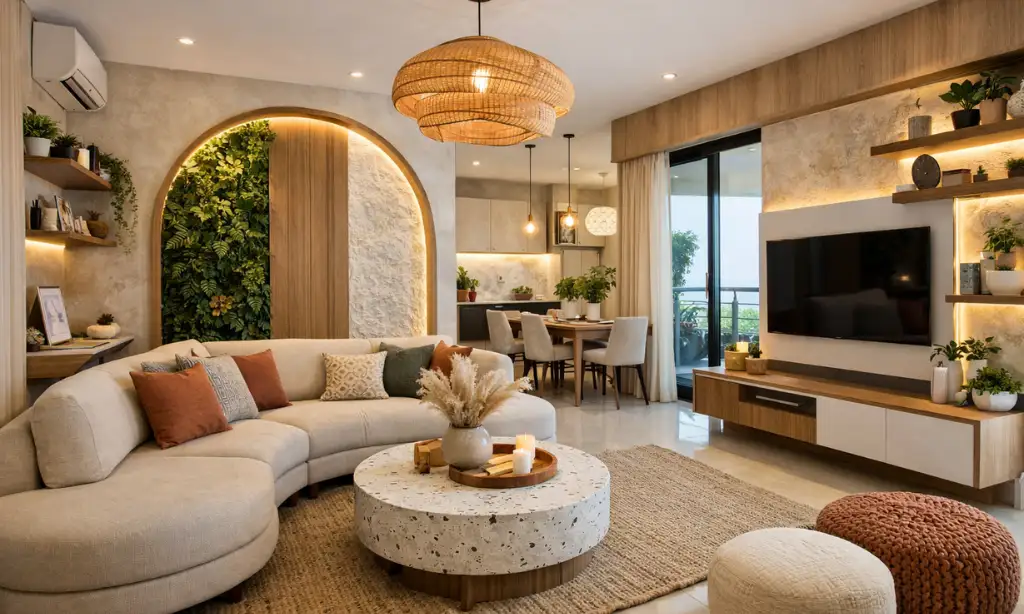
Homes in Electronic City reflect the lifestyle of IT professionals—modern, practical, and comfortable. The best interior design in bangalore for this area blends clean aesthetics with smart functionality. Minimalist modern themes are very popular, with straight lines, soft neutral colors, and a few bold accents instead of heavy carving or cluttered decor.
Smart storage solutions are another strong trend. Designers are creating hidden storage under beds, in window seats, and along passage walls so homes stay tidy even with busy routines. Tall kitchen units, organizer-filled drawers, and well-planned wardrobes help families find things quickly before office or school.
Many homeowners are also asking for sustainable and eco-friendly materials where possible. Low VOC paints, energy-efficient lights, and durable, repair-friendly furniture are small steps that make a difference over time.
Luxury finishes on a budget are achieved through selective use of premium elements—one statement wall, a stylish light fixture, or a high-quality main sofa combined with simpler supporting pieces.
At Suntew, our designers see that Electronic City families want homes that feel calm after long workdays, yet are easy to maintain and ready for guests. The best trend is the one that fits your routine, not just what is seen online.
Benefits of Hiring Local Interior Designers in Electronic City
Choosing local interior designers in electronic city has many practical benefits that families often feel only after the project starts. A nearby team can visit the site more frequently, check work in progress, and solve small execution issues before they become big problems. Better site supervision means carpenters, electricians, and painters stay aligned to the approved design and quality standards.
Local designers also respond faster. If you need a quick change, an extra point, or a small repair, someone from the team can reach your home in Electronic City without long travel delays. This is especially helpful for working couples who can spare time only on weekends or evenings.
Another advantage is their vendor and supplier network. Designers who regularly work in Electronic City, Bangalore, already know reliable plywood dealers, hardware shops, painters, and modular factories on this side of the city. At Suntew, this local network helps us get quicker deliveries, better service support, and practical solutions that suit local apartment sizes, water conditions, and society rules.
Final Checklist Before Signing the Contract
Before you confirm any interior designers in electronic city, pause and run through a simple checklist so nothing important is missed. First, scope of work confirmation. Make sure every room, unit, and finish you discussed is clearly written down with approximate sizes and inclusions, not just broad terms like “full interiors.”
Next, check budget alignment. The total amount, payment stages, and what is included in each stage must be transparent. Confirm whether GST, site cleaning, basic electrical, and minor civil works are part of the quote or extra.
Timeline agreement is equally important. Ask for a realistic start and end date with key milestones such as design freeze, factory completion, and site completion. Write down what happens if there are major delays from either side.
Finally, review warranty and maintenance terms. Check how long hardware, shutters, and other items are covered and how to raise a service request after handover. When this final checklist is complete and you feel comfortable with the answers, signing the contract with your chosen designer becomes a confident, stress-free decision.