1. Introduction: Why Smart Study Room Design Matters in Small Spaces
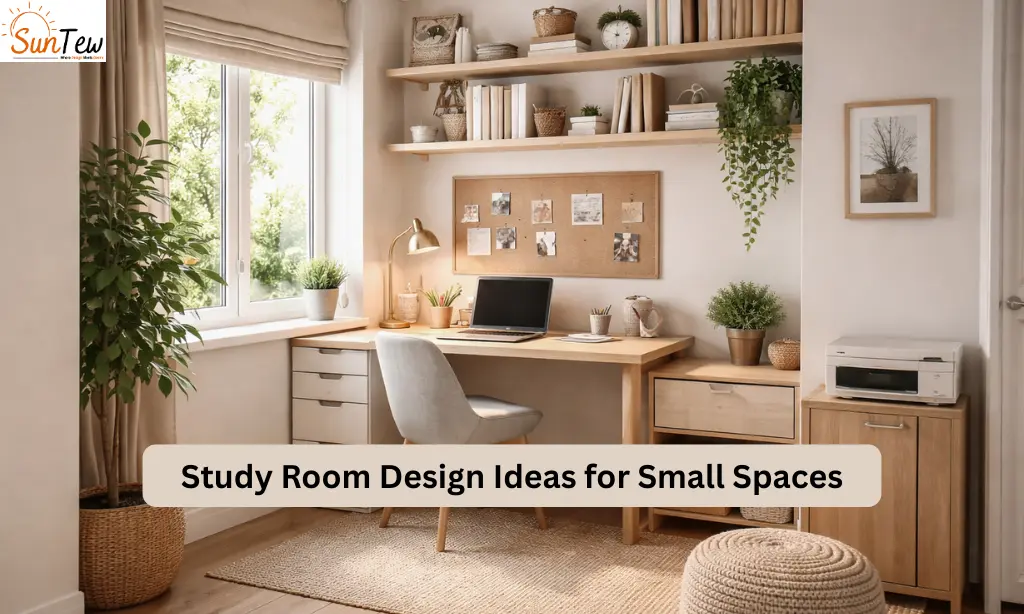
In most Indian homes today, every square foot counts. A single room often doubles up as a bedroom, mini office, kids’ study corner, and sometimes even a TV room. In this kind of compact living, a well-planned study room design is not a luxury—it is a necessity. When the space is small, even small mistakes in layout or furniture can make the room feel cramped, noisy, and distracting.
On the other hand, a smart and simple study room design can quietly improve focus and productivity. The right desk position, clutter-free storage, a comfortable chair, and soothing wall colors help your mind switch to “study mode” faster. Good lighting reduces eye strain, while thoughtful wallpaper or subtle wallpaper design ideas can visually open up a tiny room and make it feel calm instead of crowded.
In this guide, we will walk you through practical, workable study room ideas specially for small spaces. You will learn how to plan the layout, use corners and niches, choose compact furniture, and maximize vertical storage. We will also cover how to use wallpaper, décor, lighting, and color in the right way, along with budget-friendly tips that suit real Indian homes and apartments. By the end, you will have a clear checklist you can use to design a small yet powerful study space or to brief the Suntew design team with confidence.
2. Planning the Perfect Study Room Design for Small Spaces
Before buying a table or scrolling through Pinterest, spend some quiet time planning. A small room forgives very few mistakes. Good planning will save you money, space, and daily frustration.
2.1 Assessing Available Space: Corners, Niches, and Unused Areas
Walk around your home and look for “forgotten” spaces. A corner near the window, an empty wall beside the wardrobe, the space under the staircase, or a passage niche can all become a compact study zone. Take photos and basic measurements of width, height, and depth. Notice plug points, windows, and existing wall wallpaper, if any, because these will influence your final study room design.
2.2 Defining Purpose: Student Study Area vs. Home Office Setup
Next, decide clearly who will use this space and how.
- School or college student—needs more bookshelves, pinboard, and timetable space.
- Working professional—needs laptop space, a webcam-friendly background, and better task lighting.
- Shared study + home office—needs flexible storage and neutral décor.
When the purpose is clear, you will choose better study room ideas instead of random furniture.
2.3 Measuring and Mapping: Creating a Functional Mini Layout
Use a notebook or simple grid paper. Mark door swing, window position, and plug points. Draw the study table as a rectangle, leave at least 90 cm for a chair to move, and mark storage on walls. Even a rough sketch helps you see traffic flow and avoid blocking cupboards or balcony doors. This is the stage where Suntew designers usually refine the layout and suggest smarter options.
2.4 Choosing a Design Theme Before Buying Furniture
Finally, decide on the overall mood—minimal white and wood, soft pastel, bold modern, or cozy traditional. Your theme will guide wallpaper design ideas, wallpaper selection, laminate finishes, and even chair color. When the theme is fixed first, every element feels connected, and your small study corner starts looking like a thoughtfully designed room, not a last-minute adjustment.
3. Space-Saving Study Room Ideas That Actually Work
When space is tight, every element has to earn its place. The goal is simple—create a smart, clutter-free study room design that feels light, not loaded.
3.1 Wall-Mounted Desks and Foldable Study Tables
A wall-mounted desk immediately frees up floor area. In a 1BHK or compact bedroom, a slim wall desk with a closed shutter works beautifully—open it during study hours, and fold it back when you are done. For kids, Suntew often designs drop-down study tables with soft-close fittings so they are safe to use and easy to maintain. This type of setup also leaves space below for a small drawer unit or footrest.
3.2 Floating Shelves for Vertical Storage
Instead of pushing another bulky cupboard into the room, look up. Floating shelves above the study table or along the side wall take books, files, and decor off the floor. Arrange daily-use books at eye level and less-used items on higher shelves. You can also mix open shelves with one closed cabinet to hide rough notes and chargers. This keeps the room visually lighter while still giving plenty of storage.
3.3 Built-In Study Units for Compact Rooms
A built-in study unit is one of the best study room ideas if you’re planning a complete remodel. The table, open shelves, ceiling cabinets, and even a pinboard niche can all be placed on one wall. There is no unnecessary space between the wall and the furniture because everything is custom-sized. Suntew frequently incorporates study units with window walls or wardrobe sides in tiny Indian apartments to maximize every available space.
3.4 Multi-Functional Furniture: Desk + Storage Combos
Select multipurpose pieces of furniture. Reducing distinct parts can be achieved with a tall unit that combines open shelves with a closed cabinet, a study table with side drawers, or a seat with storage inside. Cleaning the floor is also simpler, and the space feels cleaner.
3.5 Hidden Storage Ideas to Reduce Clutter
Use the back of shutters for hanging pockets, add magnetic strips or pegboards for stationery, and tuck slim organizers behind the monitor. In a tiny study corner, even one clutter-free surface makes a big difference to focus and productivity.
4. Smart Layout Strategies for Small Study Rooms
In a small home, layout is your biggest tool. A good study room design is not about expensive furniture—it is about where you place it.
4.1 The Corner Study Layout (Maximising Dead Space)
Corners are usually underused. Turning one into a focused study nook is one of the simplest study room ideas. An L-shaped desk or a straight wall-mounted table fitted into the corner gives you a clear working triangle—laptop in the center, books on one side, and writing space on the other. Suntew often adds a corner shelf stack above the desk so that even the upper corner is used smartly.
4.2 Window-Facing Study Desk Placement
If you have a window, use it. A desk facing the window brings in natural light, fresh air, and a pleasant view. Just ensure the light comes from the side or front, not directly behind you, to avoid screen glare. Light-colored wall wallpaper around the window can further brighten the area and make the study corner feel open instead of boxed in.
4.3 Bedroom + Study Room Combination Layout
In many Bangalore apartments, the bedroom has to double as a study. Here, it helps to keep the study table on the wall opposite or adjacent to the bed, not squeezed next to it. A compact desk with overhead shelves and a slim side cabinet works well. Keep the décor simple so the room can switch from “study mode” to “rest mode” easily.
4.4 Partitioning Techniques for Studio Apartments
For 1RK or studio layouts, a small partition helps create a psychological boundary. Options include a half-height open shelf, a slatted wooden screen, or even a tall bookcase behind the desk. This separates the study from the sofa or bed without blocking light and keeps distractions out of sight.
5. Wall Wallpaper & Wallpaper Design Ideas for Small Study Rooms
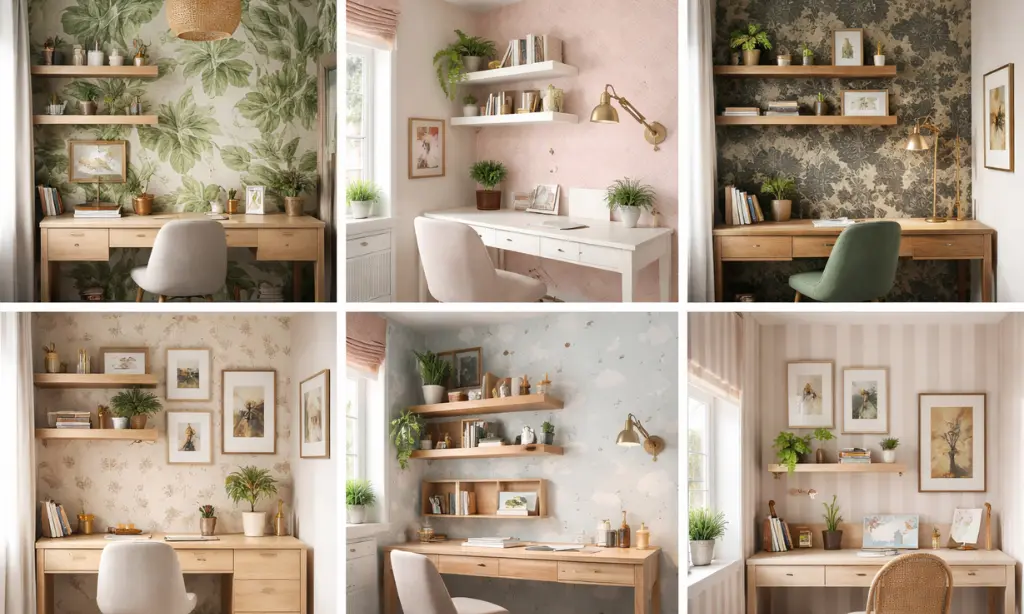
In a small study, walls are your biggest design tool. The right wall wallpaper can make the room feel wider, brighter, and calmer without changing any furniture.
5.1 Light-Colored Wall Wallpaper for a Spacious Feel
Soft whites, beiges, and pastels bounce light and reduce the “closed in” feeling. At Suntew we often keep three walls light so the room feels open even in compact flats.
5.2 Geometric and Minimal Patterns for Modern Study Rooms
Choose fine stripes, tiny checks, or simple lines on one wall wallpaper surface. Small-scale patterns keep the look modern without distracting the eye during study or work.
5.3 Textured Wallpaper Design Ideas for a Premium Look
Subtle linen, fabric, wood, or concrete textures give depth without shouting for attention. Use these wallpaper design ideas behind shelves or on the main study wall for a richer finish.
5.4 Accent Wall Wallpaper Behind the Study Desk
If you want a focal point, keep it behind the desk only. World maps, abstract motifs, or soft patterns frame your study corner while the rest of the room stays light.
5.5 Peel-and-Stick Wallpaper for Rental-Friendly Makeovers
In rented homes, peel-and-stick wall wallpaper lets you upgrade one wall quickly and remove it later without damage, ideal for students and young professionals.
5.6 Productivity-Boosting Colors for Study Room Walls
Cool blues, soft greens, and gentle yellows support focus and a positive mood. Use them as a light base or on one accent wall instead of covering all four sides.
6. Choosing the Right Study Room Furniture for Small Spaces
Furniture in a compact study room design should be slim, multipurpose, and easy to move. A few right pieces work better than many bulky items.
6.1 Compact Study Tables with Drawers
Pick a table just wide enough for a laptop, notebook, and lamp. One or two shallow drawers help hide stationery and cables so the top stays clean.
6.2 Ergonomic Chairs for Long Study Hours
A supportive chair prevents neck and back strain. In small rooms, a compact ergonomic chair without heavy arms gives comfort without visually crowding the space.
6.3 Slim Bookcases and Vertical Cabinets
Tall, narrow bookcases use height instead of floor area. Place them beside or behind the desk so books are accessible but not blocking windows or movement.
6.4 Floating Wall Cabinets for Extra Storage
Wall-mounted cabinets over the desk or door store files and project work while leaving the floor free, making even small study room ideas feel organized.
6.5 Minimalist vs. Modern Furniture Styles
Straight lines, light colors, and simple hardware usually suit tight rooms best. Modern combinations of white and wood or muted colors blend nicely with most interiors.
7. Lighting Ideas to Make a Small Study Room Look Bigger
Good lighting makes a tiny corner feel like a proper study room.
7.1 Natural Light Optimization
Where possible, keep the table near a window and use sheer curtains or blinds. Avoid tall units that block the only source of daylight.
7.2 Task Lighting for Focus and Eye Comfort
Add a focused desk lamp or under-cabinet strip directly over the work area. Adjustable heads help you move light between books, laptops, and notes.
7.3 LED Strip Lights for Shelves and Accent Walls
Slim LED strips under shelves or behind the desk softly highlight your wallpaper and give the illusion of depth without taking any space.
7.4 Warm vs. Cool Lighting: Which Works Best for Studying?
Neutral to cool white light keeps you alert, while very warm light feels more relaxed.
8. Color Schemes That Enhance Focus and Productivity
Color choices support or disturb concentration, especially in a compact room.
8.1 Neutral Palettes for Calm Study Environments
Off-white, beige, and light grey keep the background calm and flexible. They work with any furniture and make colorful books and décor stand out.
8.2 Soft Pastels for Small Rooms
Powder blue, mint, peach, or lavender add personality without closing the room in. They pair well with light wood finishes and simple wallpaper design ideas.
8.3 Bold Accent Colors Without Overwhelming the Space
If you like strong colors, use them on one accent wall, the chair, or shelves instead of every surface. This keeps energy high but the room still balanced.
8.4 Psychological Impact of Study Room Colors
Blues support focus, greens feel refreshing, and neutrals steady the mind. Very dark or neon tones on large walls can feel heavy in a small study, so use them sparingly.
9. Study Room Design Ideas for Kids, Teens, and Adults
One study room design does not fit everyone. Plan with the main user in mind.
9.1 Kid-Friendly Study Corners with Fun Wallpaper
Lower tables, open shelves, and playful wall wallpaper with alphabets, maps, or stars make study time less serious and more inviting for young children.
9.2 Teen Study Room Ideas with Trendy Wall Designs
Teens need organized storage plus space to express themselves. A clean desk, pinboard, open shelves, and one trendy wallpaper wall work well.
9.3 Minimalist Study Room Design for Professionals
Professionals need laptop-first layouts, file storage, and a neutral video-call background. Simple textured wallpaper behind the desk keeps the frame tidy and formal.
9.4 Gender-Neutral Study Room Themes
For shared studies, choose whites, greys, navy, olive, and natural wood so nobody feels the room is “theirs” alone. Matching chairs and equal storage keep things fair.
10. Budget-Friendly Study Room Design Tips
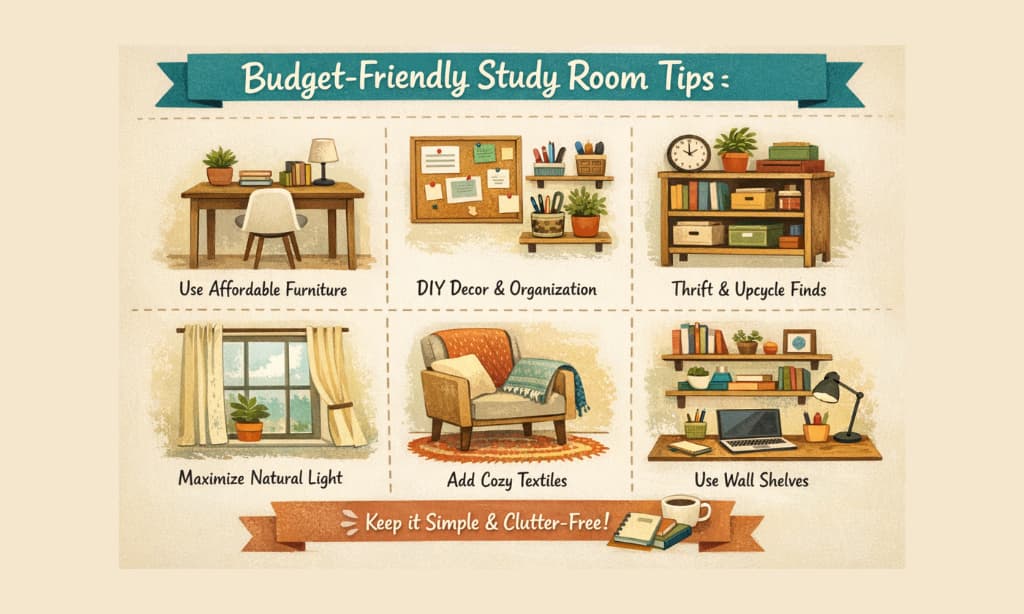
A well-planned study corner does not have to be expensive.
10.1 DIY Wall Decor and Wallpaper Hacks
Use framed prints, corkboards, or fabric pinboards for notes. Cover just one wall or niche with peel-and-stick wall wallpaper for a quick, low-cost upgrade.
10.2 Repurposing Existing Furniture
Refresh an old chair with a cushion, reuse a side table as a desk, or repaint a spare bookshelf. At Suntew we often design around what you already own.
10.3 Affordable Storage Solutions
Simple wall shelves, plastic drawer units, baskets, and fabric boxes control clutter without a big investment and can move with you when you shift houses.
10.4 Small Changes That Make a Big Visual Impact
Hide wires, use matching organizers, add one indoor plant, and switch harsh tube lights to soft LEDs. These small tweaks instantly make the study feel finished.
11. Common Mistakes to Avoid in Small Study Room Design
Avoiding a few common errors keeps a compact study functional and comfortable.
11.1 Overcrowding the Space
Too many pieces of furniture make movement difficult and the room restless. Choose fewer, right-sized items instead of filling every gap.
11.2 Poor Lighting Placement
Relying on a single ceiling light creates shadows on books and screens. Always pair it with at least one focused desk light.
11.3 Ignoring Ergonomics
If the table height or chair support is wrong, back and neck pain will follow. Ensure the screen is near eye level and feet rest flat.
11.4 Choosing Dark Wall Wallpaper in Tiny Rooms
Dark, heavy wall wallpaper on all sides can make small rooms feel like a cave. Keep deeper shades only for a small accent area or accessories.
Design Your Small Study Room with Suntew
If you are planning a study room design for a compact home, Suntew can help you turn even a spare corner into a focused and practical study space. Share your room photos and measurements with our team, and we will suggest layouts, wallpaper options, and furniture ideas that fit your budget.
12. Final Checklist for Designing a Small Study Room
Before you fix the design, run through this quick checklist and see if your small study space is truly ready.
Layout optimised
- Is the desk placed where you get good light and minimum disturbance?
- Can you pull the chair out and move comfortably without hitting the bed, cupboard, or door?
Storage maximised
- Are you using wall space with shelves, pegboards, or floating cabinets instead of only floor units?
- Do daily-use books and stationery have a fixed, easy-to-reach spot?
Lighting balanced
- Do you have both general room lighting and a focused study lamp?
- Is screen glare controlled and the study surface evenly lit?
Wallpaper selected strategically
- Is wall wallpaper kept light or textured on main walls, with any bold design limited to one accent area?
- Does the wallpaper design support a calm, focused mood instead of distracting patterns?
Clutter minimised
- Are wires, loose papers, and gadgets under control?
- Can you clear the desk in two minutes and start fresh?
If you tick most boxes, your small study room design is Suntew-ready.