Vastu Shastra for Modern Homes — Practical Guide for Bangalore Apartments
Vastu in a Modern Apartment — What Is Realistic
Vastu Shastra was codified for homes where the owner controlled the building from the ground up. Modern Bangalore apartment buyers receive a pre-built structure with fixed walls, fixed room positions, and fixed window orientations. You cannot relocate the kitchen from north to southeast. You cannot move the master bedroom to the southwest corner if it is already in the northeast.
The realistic approach: apply the Vastu principles that work within your apartment's existing structure, and let go of the ones that would require structural intervention you cannot make. Partial Vastu compliance is meaningfully better than none. And most of the high-impact Vastu principles can be applied through furniture placement, colour selection, and décor decisions, not structural changes.
Vastu by Room
Main entrance: The entrance should ideally face north, east, or northeast. If yours does not, the compensating measures are: keep the entrance very well-lit (a dark entrance is a Vastu problem regardless of direction), keep it clutter-free, place a Tulsi plant or fresh flowers near the entrance, and avoid keeping shoes visible from outside the door.
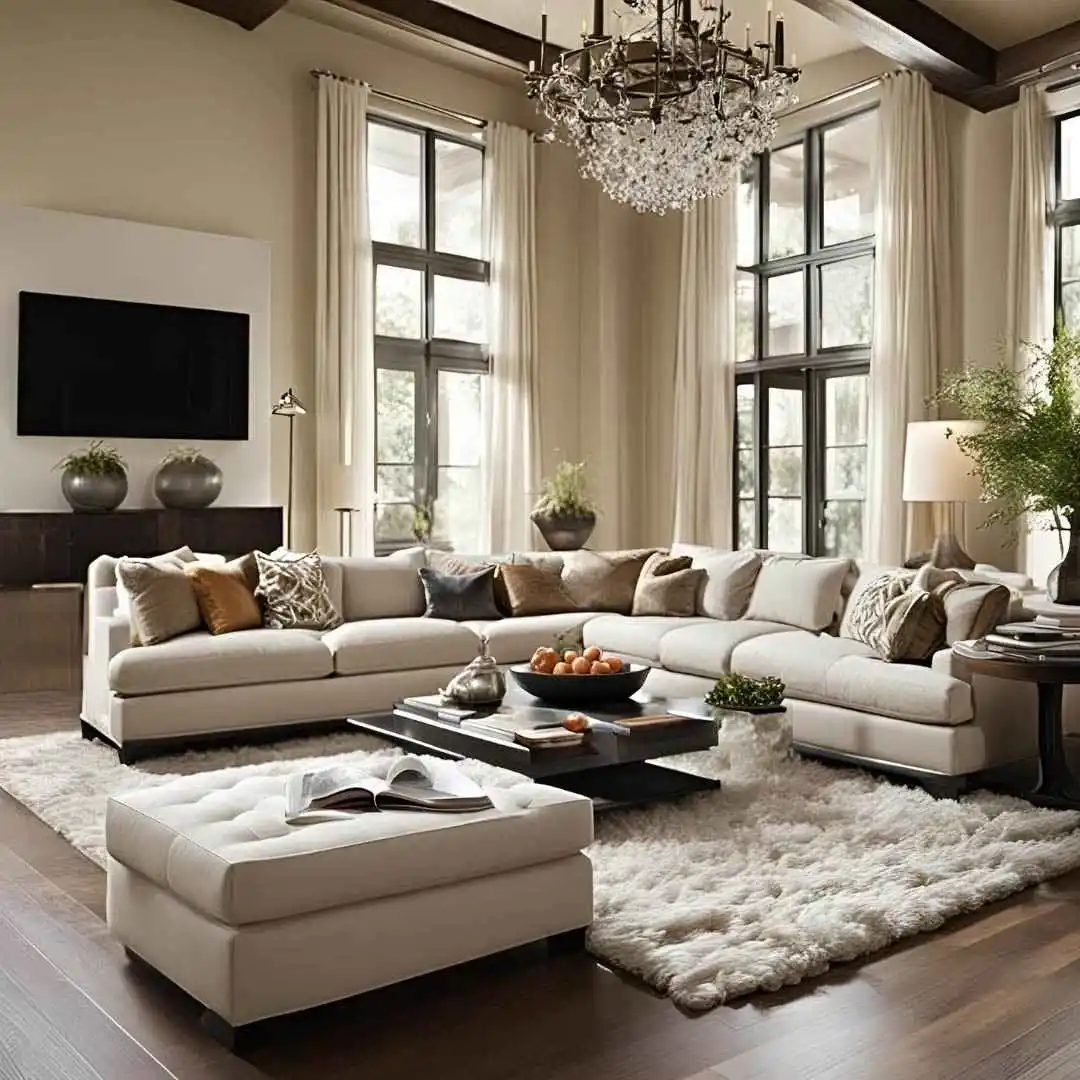
Living room: Heavier furniture (sofas, TV unit) should be on the south or west walls. The northeast corner of the living room should be kept light and relatively open, ideally with a plant or a water element. Avoid placing the main sofa under a beam directly overhead.
Master bedroom: Southwest corner is the Vastu ideal. Head pointing south while sleeping is most recommended (never north, since it opposes the earth's magnetic field). Avoid mirrors reflecting the bed directly. Keep the bedroom free of work equipment when possible. Vastu emphasises this room's purpose as rest.
Kitchen: Southeast is ideal (the direction of Agni, fire). If your kitchen is in another direction, mitigate by cooking while facing east where possible. Keep the northeast corner of the kitchen free. Do not store heavy items there. Ensure the kitchen is always clean. Clutter in the kitchen creates negative energy in Vastu more directly than in any other room.
Pooja room: Northeast corner is most auspicious. The idol should face east or west, since the devotee faces east or west when praying. Never place the pooja room under a staircase or directly above or below a bathroom. Even a small northeast corner dedicated to prayer honours this principle when a full pooja room is not possible.
Bathroom: Should not be in the northeast or southeast. If yours is, ensure it is always kept very clean and the door remains closed. Dripping taps and clogged drains are specifically significant in Vastu. Fix them immediately.
Study or home office: The ideal study position faces east or north, both directions associated with knowledge and prosperity in Vastu. Sit facing east when studying or working. The southwest corner of the study can hold heavier books and reference materials.
Vastu-Compliant Colours by Room
| Room | Ideal Direction | Vastu Colours |
|---|---|---|
| Master bedroom | Southwest | Earthy, warm neutrals: cream, off-white, warm grey |
| Children's bedroom | West or northwest | Light green, light yellow, white |
| Kitchen | Southeast | Yellow, orange, or red accents |
| Living room | North or east | Light, airy colours: white, light yellow, pastel green |
| Pooja room | Northeast | White, light yellow, cream |
| Home office | North or east | White, light green, pale blue |
Apply within your apartment's existing room positions.
Vastu Myths That Are Safe to Ignore
The north-facing flat is always best: North-facing entrance is good in Vastu, but south and east-facing homes are also excellent if the interior layout follows Vastu principles. A north-facing flat with poor internal Vastu compliance is worse than a south-facing flat with excellent internal Vastu.
You cannot live in a flat with a bathroom in the northeast: You can. Keep it extremely clean, keep the door closed, and compensate with strong positive elements in other northeast-facing areas of the home (a plant, a water element, a prayer corner).
Suntew applies Vastu compliance as a standard option on all interior design projects in Bangalore and Mangalore. We work within your apartment's existing layout rather than recommending structural changes. Call +91 89515 00340 to discuss your home.
Frequently Asked Questions
Thinking About Renovating?
Free consultation in Bangalore and Mangalore. No charges.
Book Free ConsultationSuntew's Expert Take
Material selection is where most interior design budgets go over, and where Suntew's experience makes the biggest difference. We specify exact material grades in every project: BWR 710 plywood (not commercial), ISI-marked steel, and Asian Paints Royale or Berger Silk for walls. We source materials from verified Bangalore and Mangalore suppliers, which cuts both cost and delivery time compared to clients sourcing independently.
Frequently Asked Questions
What type of plywood is best for interior furniture in Bangalore?
For all indoor furniture, such as wardrobes, kitchen cabinets, and TV units, use BWR (Boiling Water Resistant) grade plywood, minimum 18mm thickness. Brands like Century, Greenply, and Kitply are reliable. Avoid commercial or MR-grade plywood for kitchen use as it warps with moisture. Suntew specifies BWR 710 grade in every project by default.
Which interior wall paint is best for Bangalore apartments?
Asian Paints Royale Shyne and Berger Silk are the two most popular premium interior paints for Bangalore. For kitchens and bathrooms, use Asian Paints Apcolite or Berger Wealtheon (scrub-resistant). Suntew recommends water-based paints for indoor spaces as they are low-VOC and dry quickly in Bangalore's climate.
How do I remove hard water stains from bathroom tiles?
Mix white vinegar and baking soda into a paste, apply to stains, and leave for 20 minutes before scrubbing with a soft brush. For stubborn calcium deposits, use a commercial descaler like Harpic or Ridsect. Prevent future stains by wiping tiles dry after each use and applying a tile sealer every 6 months.
Ready to start your project? Suntew Interior Designers offers a free consultation and 3D design preview, no payment required until you approve the design. Call +91 89515 00340 or 9606230962, or fill in our contact form.