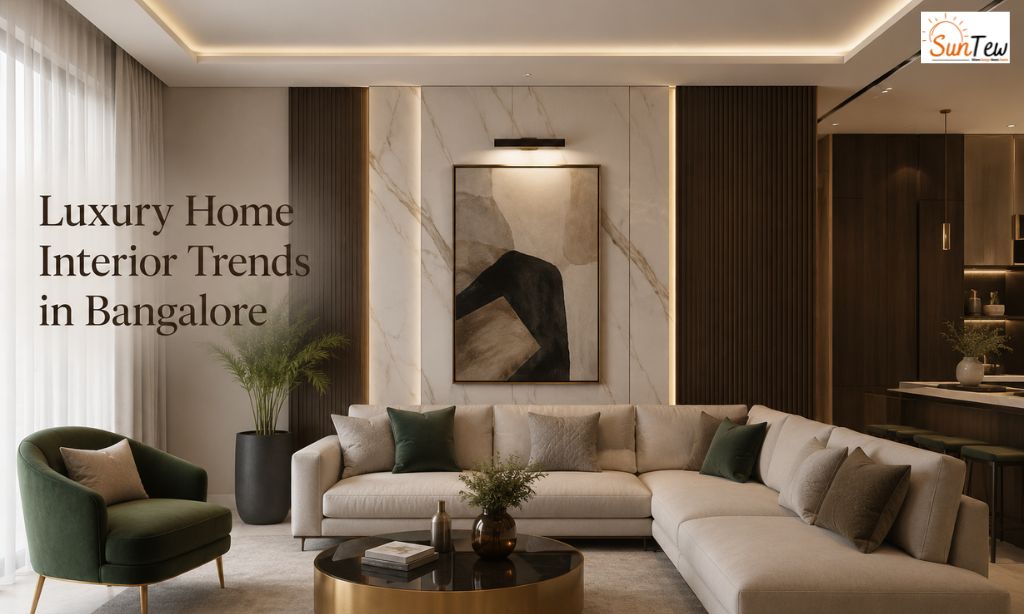

False ceilings are no longer just fancy add-ons; in Indian homes they have become a premium interior element that ties the hall together. The right false ceiling design for hall can improve lighting, make a low ceiling feel higher and give your living space a calm ambience. Simple false ceiling design for hall options focus on clean lines and lighting, while luxury designs use layers, textures and smart lighting to create a statement look. Before choosing a design, you must consider hall size, ceiling height and budget so the final outcome is beautiful and practical. In this guide, Suntew shares the top 10 main hall fall ceiling design ideas trending in India, with usable tips for apartments and independent houses.
Contact for False Ceiling Design
Why False Ceiling Design Matters for Your Hall
The hall or living room is usually the first space guests notice, so its ceiling quietly sets the tone for your entire home. A well planned false ceiling design for hall adds visual depth and makes proportions look balanced, especially in boxy builder flats. With a smart layout, you can place recessed lights, spotlights and cove lighting exactly where they are needed instead of crowding the walls with fixtures.
False ceilings also help you conceal messy electrical wiring, AC ducts, speakers and fire cables, keeping the space clean and premium. When designed right, they highlight your furniture, TV unit and décor rather than stealing attention. For many home buyers in Mangalore and Bengaluru, a modern false ceiling has become a clear sign of a finished, high value home. That is why choosing from the best false ceiling designs for hall is worth the time and expert guidance.
Key Factors to Consider Before Choosing a False Ceiling Design
Before finalising any false ceiling design for hall, take a step back and study the space. Start with hall size and ceiling height – a small living room with a low slab may need a simple, single-layer design, while a bigger hall can handle layered patterns. Next, plan lighting: decide where you need bright light, soft cove lighting and spotlights for décor before freezing the layout.
Budget is equally important. Simple designs with basic gypsum and limited lighting cost less, while premium designs with wood, profiles and advanced lighting naturally add to the bill. Choose materials like POP, gypsum, wooden panels or metal based on look, budget and the style of the rest of your home. Also think about maintenance and durability in Indian conditions, especially in coastal cities like Mangalore where moisture can affect materials. A well planned design, selected with these factors in mind, will look premium and stay practical for years.
Top 10 Best False Ceiling Designs for Hall That Look Premium
1. Modern Gypsum False Ceiling Design
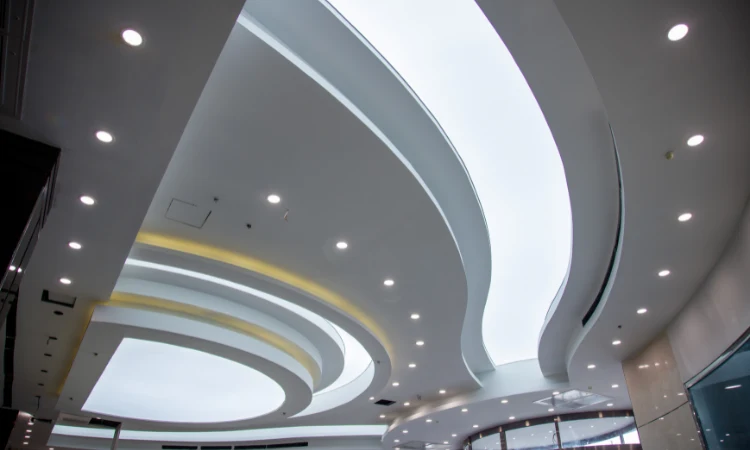
Modern gypsum ceilings are among the best false ceiling designs for hall spaces in today’s apartments and villas. Gypsum boards allow clean lines, smooth edges and neat corners that suit contemporary interiors. With this style, you can create simple geometric shapes or soft curves without making the hall feel heavy. It works beautifully with recessed lighting and spotlights, giving even light distribution across the seating area. For most homes in Mangalore and Bengaluru, a modern gypsum ceiling is a safe, stylish and budget-friendly choice that still looks premium.
2. Wooden False Ceiling Design for Luxury Look
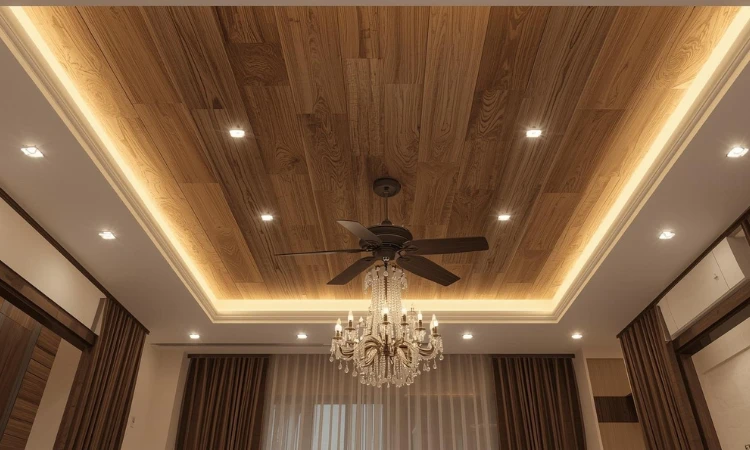
If you want a rich, luxurious living room, a wooden false ceiling design instantly adds warmth and elegance. Wooden battens or panels combined with gypsum borders create a high-end look that works best for larger halls with good ceiling height. You can highlight the TV wall or dining space using wooden rafters with spotlights in between. This style pairs well with neutral sofas, stone cladding and warm-toned flooring. In premium homes, interior designers often use veneer or laminate instead of solid wood to balance cost, weight and maintenance while keeping that classy wooden ceiling feel.
3. Minimalist Simple False Ceiling Design for Hall
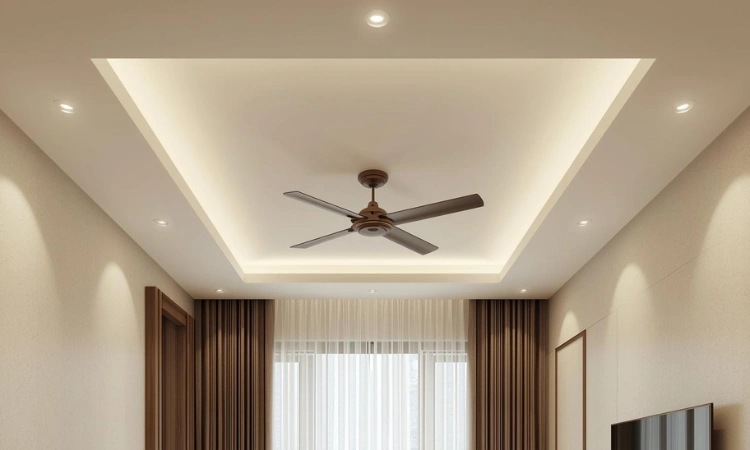
A minimalist, simple false ceiling design for hall focuses on straight lines and light, not heavy patterns. Flat or single-layer designs with a thin border and a few spotlights keep smaller halls looking open and airy. This approach is ideal for compact apartments where every inch matters. You still get the benefit of concealed wiring and neat lighting, but without dropping the ceiling too much. Simple designs also help control cost, because they use fewer materials and less labour. For many young families, this is the perfect balance between style, budget and easy maintenance.
4. Cove Lighting False Ceiling Design
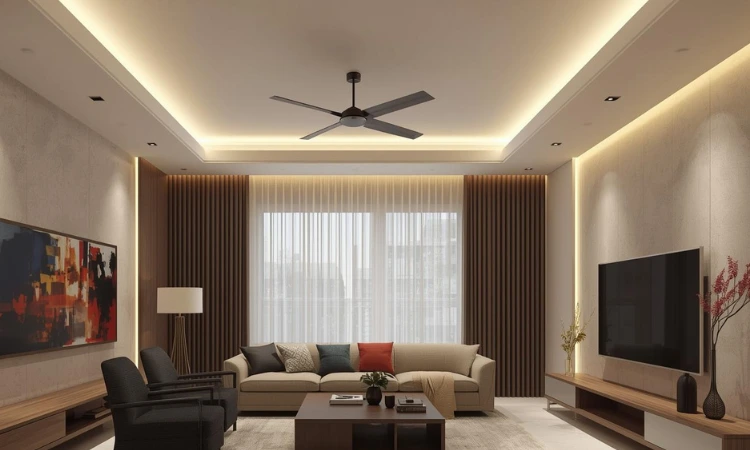
Cove lighting ceilings use recessed channels along the edges to hide LED strips that wash soft light onto the ceiling. This false ceiling design for hall creates a calm, hotel-like ambience that feels premium without being loud. You can combine cove lighting with a few downlights over the sofa or centre table for task lighting. It is especially popular in city apartments where people want a cosy, relaxed mood in the evenings. With warm white LEDs and dimmers, the same hall can shift from bright family time to a soft, movie-night atmosphere in seconds.
5. Layered False Ceiling Design for Main Hall
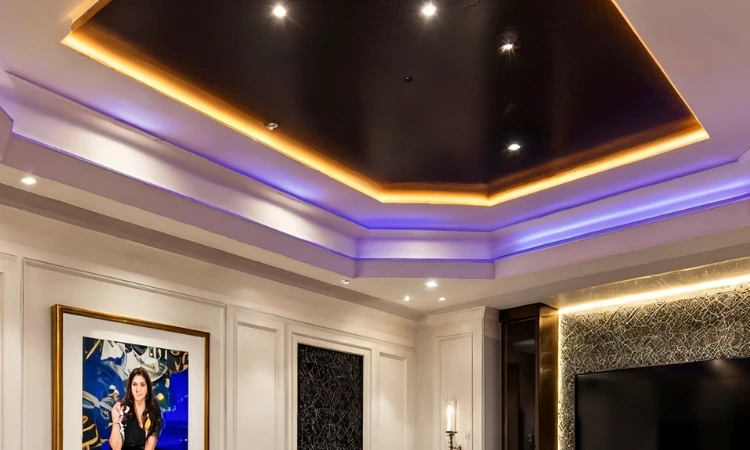
Layered ceilings use two or more levels to create depth and drama, making them a favourite in any list of top 10 main hall fall ceiling design ideas. This concept works best in halls with higher slabs, where the extra layers will not make the room feel cramped. You can highlight the central area above the seating space, add step profiles or create an interesting pattern around a chandelier. Layered designs draw the eye upward and give the hall a more architectural, designer finish. They work well in independent houses, duplex homes and bigger living rooms.
6. POP False Ceiling with Decorative Mouldings
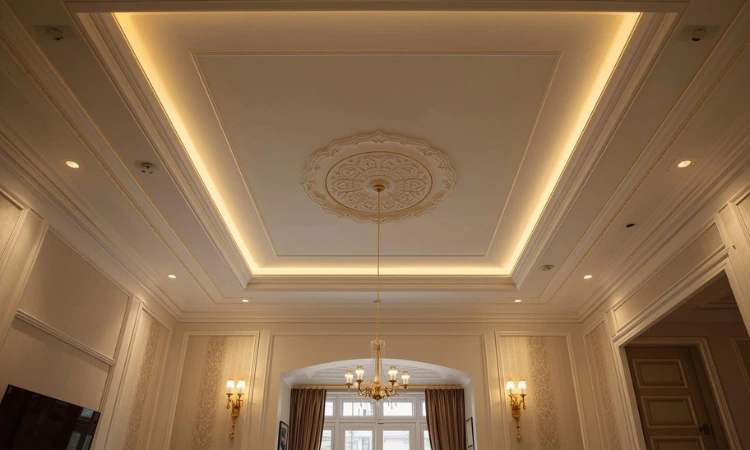
POP (Plaster of Paris) false ceilings with mouldings are perfect when you want a blend of traditional and modern style. Decorative borders, medallions and cornices can frame a chandelier or fan in the centre of the hall, giving it a classic charm. This style is popular in heritage-inspired homes, pooja-friendly interiors and halls with ornate furniture. POP allows fine detailing and smooth finishing, and once painted, it looks seamless with the rest of the ceiling. When combined with subtle recessed lighting, POP ceilings can look very premium yet timeless, especially in larger family living rooms.
7. Floating False Ceiling Design
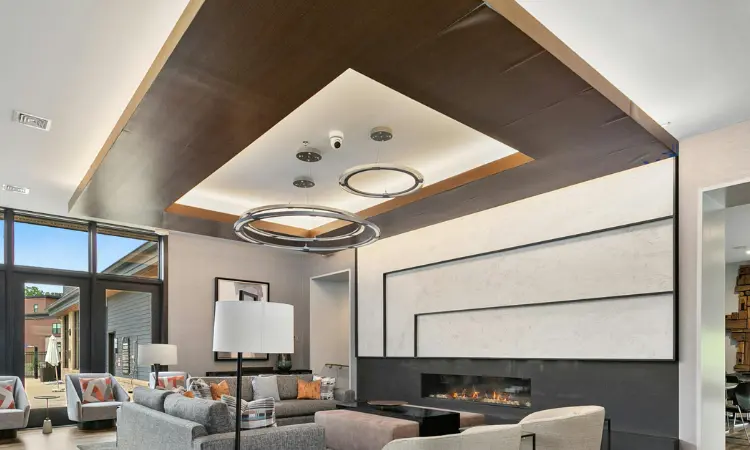
Floating ceilings create the illusion that the false ceiling is suspended slightly below the main slab with a slim gap all around. LED strip lighting inside this gap gives a soft halo effect, making the hall look modern and stylish. This design suits both medium and large halls, and works well with straight-lined contemporary interiors. Because the central portion appears lighter and lifted, it can visually increase the sense of height. Floating designs are a good option for homeowners who want something different but still clean, without heavy patterns or too many cut-outs.
8. False Ceiling with Integrated LED Panels
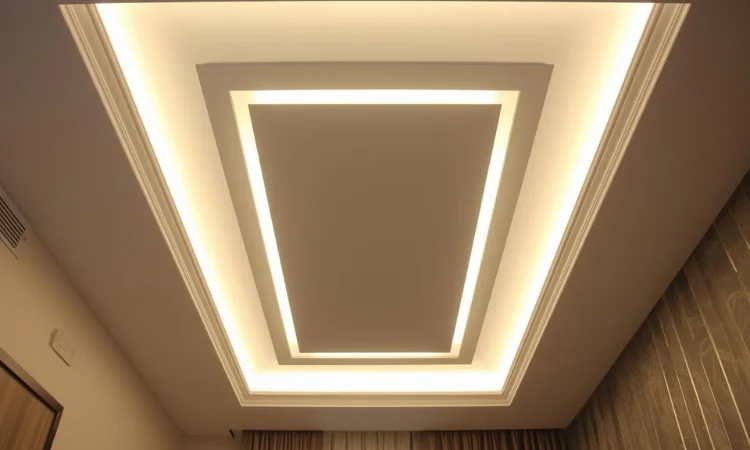
In this design, LED panels or profiles are built directly into the false ceiling layout, replacing bulky tube lights and surface fixtures. The result is a bright yet elegant hall where light is evenly spread and shadows are reduced. Integrated LEDs are energy-efficient and give a neat, modern appearance that suits both minimalist and luxury interiors. You can create linear light patterns, squares or border highlights to match the room shape. For families who use the hall as a study, work-from-home or kids’ play area, this type of ceiling offers both style and strong functional lighting.
9. Metal Frame Designer False Ceiling
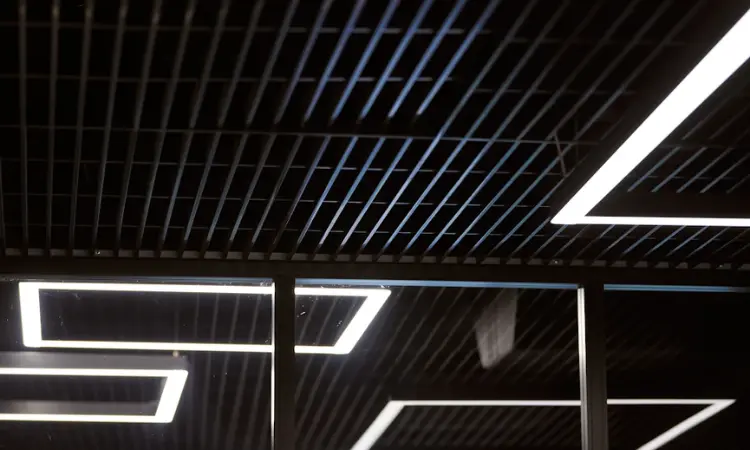
Metal frame false ceilings use metal panels, grids or laser-cut designs to create a striking, premium look. Although more commonly seen in commercial spaces, they are now used in high-end homes and double-height halls as feature ceilings. Metal is highly durable, easy to clean and can be powder-coated in different colours and finishes. When combined with spotlights or backlighting, the patterns cast interesting shadows and textures in the hall. This style is ideal for bold homeowners who want a unique, modern-industrial touch in their main living space.
10. Custom Designer False Ceiling for Premium Homes
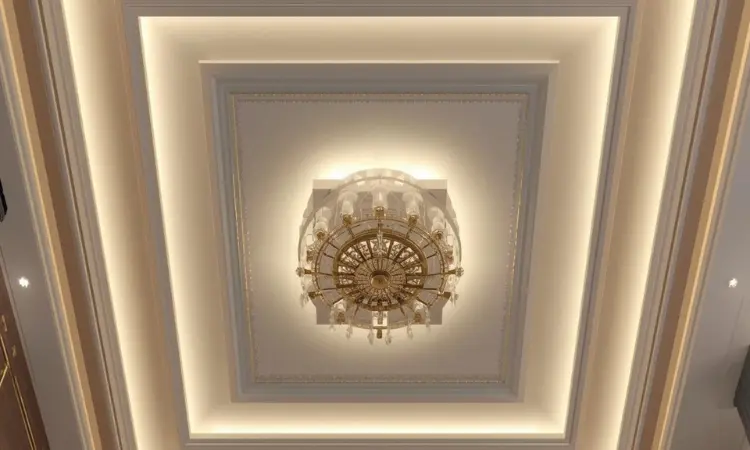
For villas and luxury apartments, a custom designer false ceiling allows you to blend multiple ideas into one signature look. You can mix gypsum, wood, POP and metal, along with cove lighting, spotlights and chandeliers, to match your exact interior theme. Custom designs are tailor-made based on hall dimensions, furniture layout and natural light, so the ceiling never feels out of place. Interior designers in Mangalore and Bengaluru often create 3D views before execution, helping you visualise the final result. Though investment is higher, a well-executed custom ceiling becomes a strong style statement and adds real value to your home.
False Ceiling Materials Commonly Used in India
In Indian homes, most best false ceiling designs for hall use a handful of practical materials. Gypsum boards are the most common because they are lightweight, smooth and quick to install. POP (Plaster of Paris) allows detailed mouldings and classic borders, ideal for traditional or premium halls. Wooden panels bring warmth and a luxury feel, especially when used in bands or highlights. Metal ceilings, such as aluminium or steel panels, are chosen for high durability and a modern look. While planning your hall, compare these options on cost, maintenance and how they behave in your local climate. A Suntew designer can help you pick the right mix so your ceiling stays beautiful and strong for years.
Cost of False Ceiling Design for Hall in India
In most Indian cities, the cost of false ceiling design for hall spaces is calculated per square foot. Basic gypsum or POP ceilings with simple patterns and limited lights usually start at an affordable range, while premium designs with wooden highlights, profiles and layered patterns cost more. Final pricing depends on design complexity, material quality, labour, scaffolding and the type of lighting you choose (LED strips, spotlights, panel lights or chandeliers). A clear site measurement and 3D design discussion will help fix a realistic budget. At Suntew, we usually share item-wise estimates so you know exactly where your money is going.
Common Mistakes to Avoid While Choosing False Ceiling Designs
Many people overdesign a small hall with too many layers or cut-outs, which makes the space feel cramped instead of premium. Another mistake is fixing the pattern first and planning lighting later; without a layout, even the best false ceiling designs for hall can look dull. Some homeowners pick materials that do not suit local climate, leading to cracks or moisture issues. Ignoring future maintenance, like access to wiring and AC ducts, can turn small repairs into big jobs. Finally, trying to copy complex designs without a professional often ends in uneven joints and poor finishing. Taking guidance from an experienced team like Suntew keeps the design practical, safe and beautiful for everyday living.
How Suntew Helps You Get the Best False Ceiling Design
Suntew is a local interior expert that helps you turn false ceiling ideas into a well-finished, practical design for your hall. Our designers study your space, listen to your lifestyle needs and suggest the best false ceiling designs for hall that match your budget and taste. From simple layouts to luxury custom concepts, we handle design, material selection, lighting planning and execution with our in-house team. You get clear estimates, professional supervision and timely completion so your daily routine is not disturbed for long. If you are looking for reliable interior designers in Mangalore or Bengaluru,
visit https://suntew.com/ and book a consultation to start your ceiling makeover the right way.
Conclusion
Choosing the right false ceiling can completely change the way your hall feels every single day. From simple false ceiling designs for hall layouts to rich layered concepts, the best false ceiling designs for hall balance looks, lighting and long-term comfort. A well planned ceiling makes your living room look brighter, more spacious and far more premium, which also reflects in your property value. Instead of copying random pictures, it is wiser to pick designs that suit your hall size, ceiling height and budget. With the right guidance and workmanship, your hall can look like a professionally designed space, not just another boxy room. If you are unsure where to start, speak to a designer and get a customised plan that fits your home.
FAQ
1. Which type of false ceiling is best?
There is no single “best” option for everyone. For most Indian homes, a gypsum false ceiling with simple profiles and good LED lighting works really well. If you want a richer look, you can add wooden highlights or POP mouldings in the hall. Suntew usually suggests a mix based on your hall size, style and budget.
2. How do I choose a false ceiling design?
Start with your hall layout, ceiling height and how much light you need. Save a few reference photos, then speak to a designer who can convert them into a practical false ceiling design for hall use. The best choice is one that fits your furniture plan, budget and long term maintenance comfort.
3. What are the disadvantages of false ceilings?
If not planned properly, false ceilings can make a low hall feel cramped and reduce natural light. Poor quality materials may crack or sag over time. You also need careful planning for fan, AC and light points to avoid rework. Working with experienced professionals reduces most of these problems.
4. Which material is best for a long-lasting false ceiling design for hall?
For most apartments and houses, gypsum boards with a strong metal framework are a reliable, long lasting option. In some premium areas, POP is used for detailed work, while wood is added only as a highlight. The key is good quality material, proper framing and neat finishing from a trusted team.
5. Which false ceiling design is suitable for small halls?
For small halls, choose a simple false ceiling design for hall – single layer, clean borders and limited cut-outs. Avoid too many levels or heavy patterns. Soft cove lighting with a few spotlights keeps the room looking bright and open while still giving a modern, premium feel.