1. Why Small Homes Need Smarter Interior Planning
Smaller dwellings and compact flats are now commonplace in places like Bangalore. Families are opting for intelligent, well-connected spaces rather than expansive floor plans, which frequently entails learning how to live elegantly in smaller spaces. The problem arises when ordinary items like clothing, electronics, furniture, and kids’ belongings start to vie for the few available square feet. The living room gradually becomes a storage area, wardrobes fill up, and rooms begin to seem cluttered.
A small house doesn’t have to feel cramped or congested if the interior design is done correctly. Your home’s sense of space can be altered by thoughtful layout choices, minimalist interior design, and well-chosen furniture, lights, and colors. Smart interiors let natural light flood every nook and cranny, improve mobility, and concentrate on what you really need. At Suntew, we assist homeowners in transforming small rooms into peaceful, functional, and enjoyable homes that they can live in every day.
2. Understanding Space Perception in Interior Design
Space impression is more influenced by the layout of your house than by the number of square feet. The combination of light, layout, and color determines whether a space feels cramped or spacious. Heavy drapes and dark areas optically draw the walls in, while natural light, transparent curtains, and light-toned walls push the boundaries outward. The eye may move freely in a straightforward, uncluttered design with obvious walking routes.
Stress and a sense of congestion are brought on by cluttered interiors, which constantly transmit messages to the brain. Conversely, open, well-organized areas feel calmer, bigger, and friendlier.
The goal is not to strip everything away but to balance function and aesthetics. Every piece in a small home should either serve a use, add comfort, or enhance beauty. At Suntew, we design with this balance so compact Bangalore homes feel light, practical, and peaceful.
3. The Design Philosophy Behind Clean and Open Living Spaces
Clean, open living spaces follow a simple idea: keep only what adds value to daily life. Minimalist interior design is not about empty rooms; it is about removing visual noise. Fewer lines, fewer colors, and fewer objects make it easier for the eye to move around a room, which instantly makes it feel larger.
The foundation of this strategy is a purpose-driven layout. Every nook has a purpose, and nothing obstructs movement because seating, storage, and circulation are planned first. Furniture is selected to complement your way of life rather than being thrown against every wall.
Simplicity is usually preferable to excess in smaller dwellings. More floor space results from fewer pieces of furniture, and brighter décor reduces mental strain. In order to provide families in Bangalore with both openness and comfort, Suntew designs clean, contemporary interiors that feel cozy and lived-in rather than showroom-like.
4. Planning the Layout for Better Flow and Movement
Planning the layout is the most important step in making a small home feel spacious. An open floor plan, where living, dining, and sometimes kitchen areas flow into each other, reduces wasted corners and allows more natural light to spread across the space. Fewer solid walls mean fewer dead spots and a smoother sense of movement.
Instead of heavy partitions, use low furniture, open shelving, glass panels, or half walls to suggest boundaries without cutting rooms off completely. This keeps conversations, views, and light connected, which is ideal for compact Bangalore apartments.
Zoning is the trick that brings order to an open plan. A rug can define the living area, a pendant light can mark the dining corner, and a slim console can separate the entry from the seating. At Suntew, we design layouts where every zone is clear, but the home still feels like one continuous, breathable space that works for daily family life.
5. Furniture Choices That Save Space Without Compromising Comfort
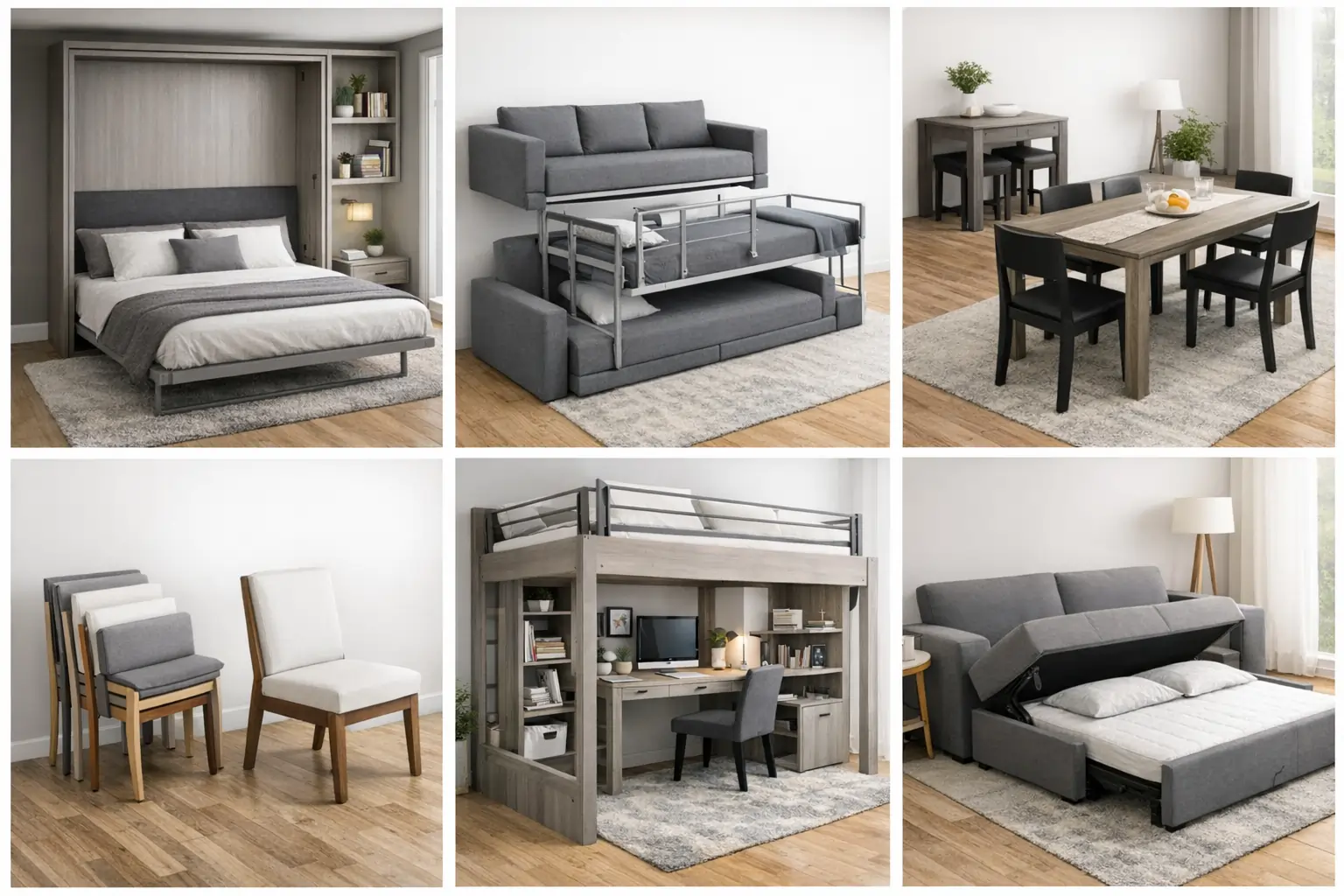
A small home’s furniture may make or destroy it. The idea is to feel comfortable and at ease without packing the space. Compact Bangalore houses are ideal for multipurpose and modular components, such as a wall-mounted study that folds away when not in use, a coffee table with storage, a dining bench that tucks beneath the table, or a sofa that doubles as a bed for guests.
Scale is just as important as function. In a small living room, a low sofa with slim arms, a light-framed center table, and open-legged chairs make the floor visible and the room feel bigger. Avoid boxy, heavy furniture that sits flat on the ground and closes the space.
At Suntew, we help you choose furniture that fits your floor plan, not just the showroom. We avoid oversized recliners, bulky beds, and deep wardrobes that overpower the room, and instead suggest well-proportioned, comfortable pieces that give you seating, storage, and style without sacrificing breathing space.
6. Using Colour Schemes to Visually Expand Interiors
Using the right color palette is one of the simplest ways to make a compact home feel larger. Light and neutral shades on walls, ceilings, and big furniture pieces bounce light around, reduce harsh shadows, and push visual boundaries outward. Soft whites, beiges, and grays work beautifully for most Bangalore homes.
A monochromatic scheme with different tones of the same color creates a seamless flow from one room to another. When the eye is not constantly interrupted by sharp contrast, spaces feel calmer and more open.
Use of accent colors should be deliberate. A feature wall, artwork, a few cushions, or a single accent chair may all add character without making the space feel smaller. At Suntew, we assist customers in selecting color schemes that complement their lifestyle and lighting circumstances so that their tiny homes always feel airy, unified, and inviting.
7. Lighting Techniques That Make Rooms Feel Larger
Lighting can instantly change how big or small a room feels. The first rule is to invite as much natural light as possible. Keep windows clear, choose sheer curtains instead of heavy drapes, and avoid placing tall furniture right in front of openings. Sunlight automatically makes compact Bangalore homes look fresher and more open.
In the evening, layered lighting keeps the home bright without harshness. Ambient lighting from ceiling fixtures sets the base, task lights near sofas, study tables and kitchen counters take care of work areas, and soft accent lights highlight art, niches, or wall textures.
Placement matters as much as the type of light. Wall sconces, cove lights, and corner floor lamps push light onto walls and ceilings, visually stretching the space. At Suntew, we design lighting plans that remove dark pockets, reduce glare, and give small homes a warm, airy glow at all times.
8. Smart Storage Solutions to Reduce Visual Clutter
Smart storage is one of the most powerful tricks for keeping small homes looking open and calm. Instead of filling every corner with loose cupboards, we plan built-in storage that blends with the walls. Full-height wardrobes, window seating with storage inside, and TV units with closed shutters all hide visual mess while still giving plenty of space for your things. Hidden cabinets in passages, under beds, and along unused walls help you store more without crowding the room.
Vertical storage is especially useful in compact Bangalore apartments. Tall units, overhead lofts, and slim shelves use height instead of floor area, keeping walkways free and spacious. Everyday items like bags, chargers, toys, and documents are given fixed “homes” behind shutters, in drawers, or in baskets, not left on open surfaces.
At Suntew, we design storage that quietly supports daily life, organized inside and minimal outside, so your small home feels tidier, larger, and easier to maintain even on busy weekdays. This balance of storage and simplicity keeps rooms fresh and stress-free.
9. Minimalist Décor Ideas That Add Character Without Overcrowding
Minimalist decor is about choosing less but choosing better. In a small home, every decor piece should earn its place. Instead of filling shelves with many objects, pick a few items that have meaning: a family photo, a handcrafted lamp, a souvenir from a trip, or a simple planter. These details tell your story without crowding the room.
Mirrors are a powerful tool for compact Bangalore homes. Placed opposite windows or open spaces, they reflect light and views, doubling the sense of depth. Artwork works best when sized correctly, where one or two medium pieces often look better than many tiny frames. Soft furnishings like rugs, cushions, and throws bring in texture and warmth without adding bulk.
At Suntew, we help you balance personality with simplicity so your home feels unique but never busy. The idea is a calm character, a space that feels lived in, warm, and open.
10. Interior Decoration Ideas for Different Areas of a Small Home
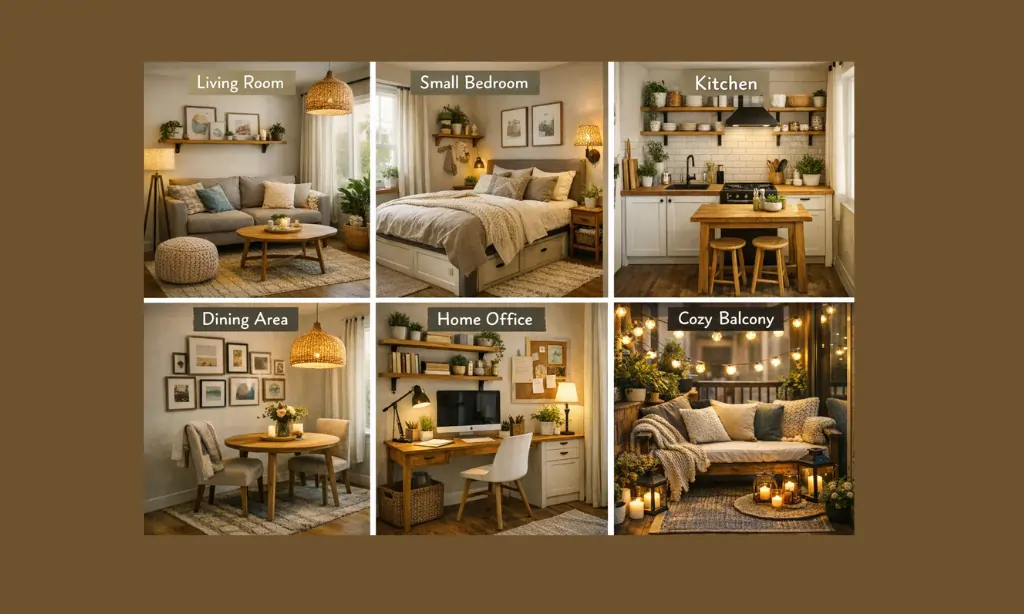
In a small living room, the key is to keep the center as free as possible. Push seating slightly towards the walls, use a compact sofa with light chairs, and choose a slim TV unit instead of a deep cabinet. A single rug tying everything together makes the space feel open and connected. Use side tables with storage to hide remotes, chargers, and small items so surfaces stay clean.
Calm and comfort are the most important aspects of bedrooms. The room is kept calm with a bed with built-in storage, side tables with drawers, and muted, soothing colors. Keep the number of open shelves around the bed to a minimum because visual clutter can interfere with sleep. Warm lighting, a single focal piece of art, and basic drapes are sufficient. Avoid large headboards, keep wardrobes on one wall, and give room for people to stroll.
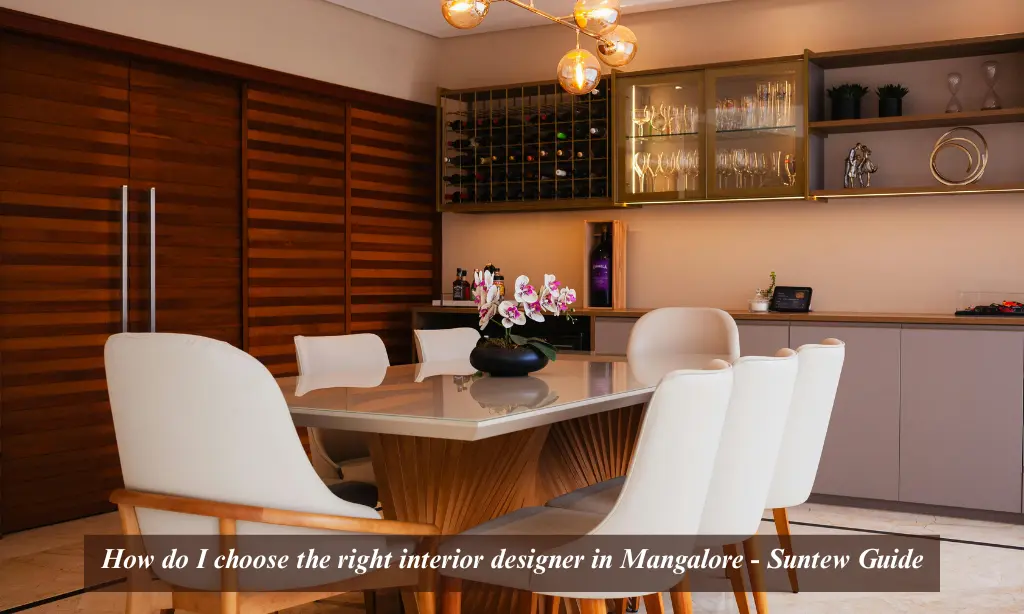
Planning is crucial in small dining rooms and kitchens. With overhead cabinets, parallel or L-shaped layouts make good use of available space. Bench seating, a folding breakfast counter, or a tiny dining table against a wall all conserve room. Every zone at Suntew is designed to function seamlessly without feeling cramped or disorganized.
11. Materials and Finishes That Enhance Space and Light
A small house can be subtly made to feel more airy and open for daily life with the correct materials. Light is reflected throughout the space via light tiles, satin or gloss laminates, and delicate metallic accents. They prevent the room from appearing overly glossy or crowded when combined with soft textiles and matte wall paints.
Glass looks great in little Bangalore homes. Sight lines are kept open without feeling fragile by glass dividers, frosted-shuttered wardrobes, and glass-front shelves. While slender metal frames on tables, chairs, and lights make things visually light, warm woods in milder tones give warmth without making the space appear weighty.
At Suntew, we recommend finishes that are easy to maintain, gentle on the eye, and supportive of a calm, clutter-free, minimalist interior design style.
12. Common Interior Design Mistakes That Make Homes Feel Smaller
Many small homes feel cramped not because of size, but because of a few common design mistakes. The first is overfurnishing: too many sofas, side tables, shelves, and decor pieces fight for attention and eat up floor space. Excessive decor, especially on every wall and surface, creates visual noise and makes the mind feel crowded.
Dark colors are another issue when used incorrectly. Deep shades on all walls, heavy curtains, and dark bulky furniture can swallow light, making rooms look smaller than they are.
Poor lighting and layout complete the problem One central tube light, blocked windows, and awkward furniture placement leave dark corners and narrow walkways. At Suntew, we carefully avoid these traps so compact Bangalore homes feel open, bright, and easy to move through.
13. Blending Contemporary Design Elements in Compact Homes
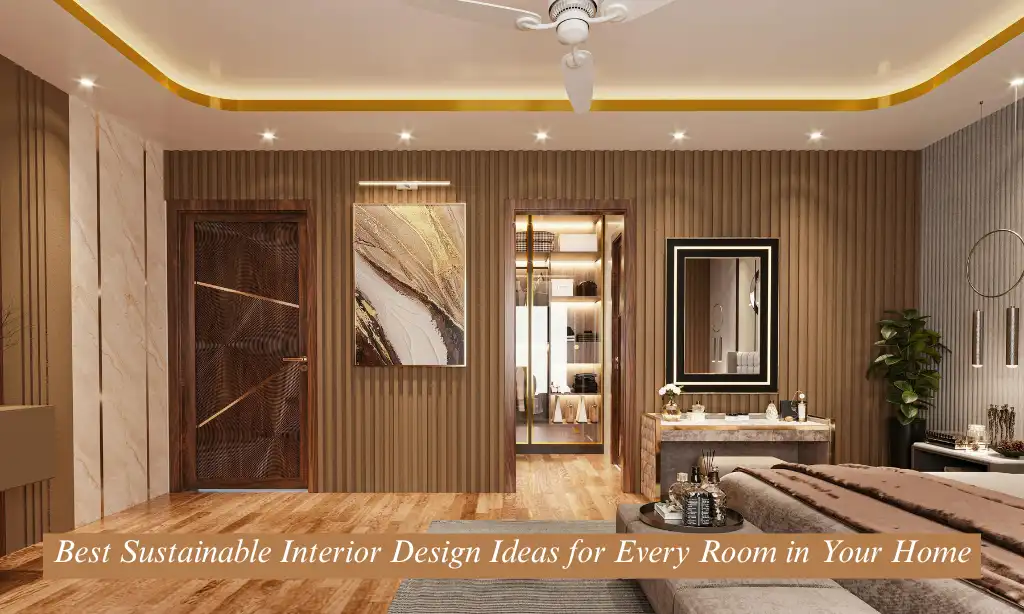
Contemporary design suits small homes beautifully because it is clean, simple, and functional. Modern materials like sleek laminates, light-toned woods, glass, and slim metal frames keep lines neat and uncluttered. When we combine this with minimalist interior design, rooms feel current without being loud or busy.
The trick is to choose a few strong elements instead of many competing features—maybe a simple fluted panel behind the TV, a clean headboard in the bedroom, or a matte-finish kitchen with straight lines. Storage stays integrated and hidden, while surfaces are kept as free as possible.
At Suntew, we blend contemporary style with everyday practicality for compact Bangalore homes. You get modern looks, easy cleaning, and layouts that actually support your lifestyle. The result is a home that feels updated, warm, and spacious, not trend-heavy or cluttered.
14. Working With Professional Designers for Small-Space Homes
Small homes give very little margin for error. A wrong wall, oversized wardrobe, or badly planned kitchen can lock you into daily inconvenience for years. This is where a professional interior designer makes a huge difference. With expert space planning, every inch is measured, every door swing is checked, and furniture, storage, and lighting are planned before you spend on materials.
For compact layouts, designers create custom solutions for wardrobes around beams, storage under windows, niche studies, multipurpose TV units, and kitchens that work smoothly even in tight spaces. You get a home that feels bigger, is easier to maintain, and truly matches your lifestyle.
Choosing good interior designers in Bangalore, like Suntew, also means local understanding of typical apartment sizes, builder plans, light direction, and practical material choices that suit our climate, dust, and daily use.
15. Why Smart Interior Choices Improve Everyday Living
Smart interior choices change everyday living by improving how your home actually works. When layouts, furniture, and storage are planned around your routine, you get better functionality and comfort, easier movement, natural seating, and stress-free cooking, working, and relaxing.
A well-designed minimalist interior also makes maintenance and organization simpler. Closed storage, clutter-free surfaces, and practical materials reduce dust, cut cleaning time, and help every item have a fixed place.
These decisions bring long-term visual and practical benefits. Your compact Bangalore home continues to look neat, bright, and modern for years, while staying flexible as your family’s needs change. At Suntew, we design with this long view so your home supports you every day.
16. Conclusion: Making Small Homes Feel Open, Calm, and Functional
Small homes in cities like Bangalore do not have to feel cramped or limiting. With smart planning, they can feel open, calm, and welcoming. Thoughtful layouts, light color palettes, layered lighting, slim furniture, and built-in storage all work together to stretch visual space. Minimalist interior design, contemporary finishes, and clutter-free decor let every room breathe while still reflecting your personality.
The key is to prioritize thoughtful design instead of random buying or ad hoc changes. When every inch is planned with care, your home becomes easier to use, easier to maintain, and more enjoyable to return to each day. At Suntew, smart interior choices turn compact houses into spacious-feeling homes that truly support modern life.